join the next adventure
Join a growing network of curious explorers. Get early access to new trips, insider updates, and connect with people who share your drive for adventure.


.png)
The last year or so has been quite the action-packed one for Geeks Go Peaks — expeditions to climb Aconcagua in Argentina in January 2024, a one-off attempt on Mt. Elbert in Colorado that May, and then the unforgettable experience of Mt. Ararat in Turkey in early September. Mt. Washington came about in October. Peter had visited New Hampshire during the summer, and while we hiked Mt. Monadnock — the small training peak near where I live — I planted the seed: the White Mountains, and Mt. Washington in particular, with its legendary brutality despite modest elevation, would be perfect for weather acclimation ahead of future high-altitude climbs.
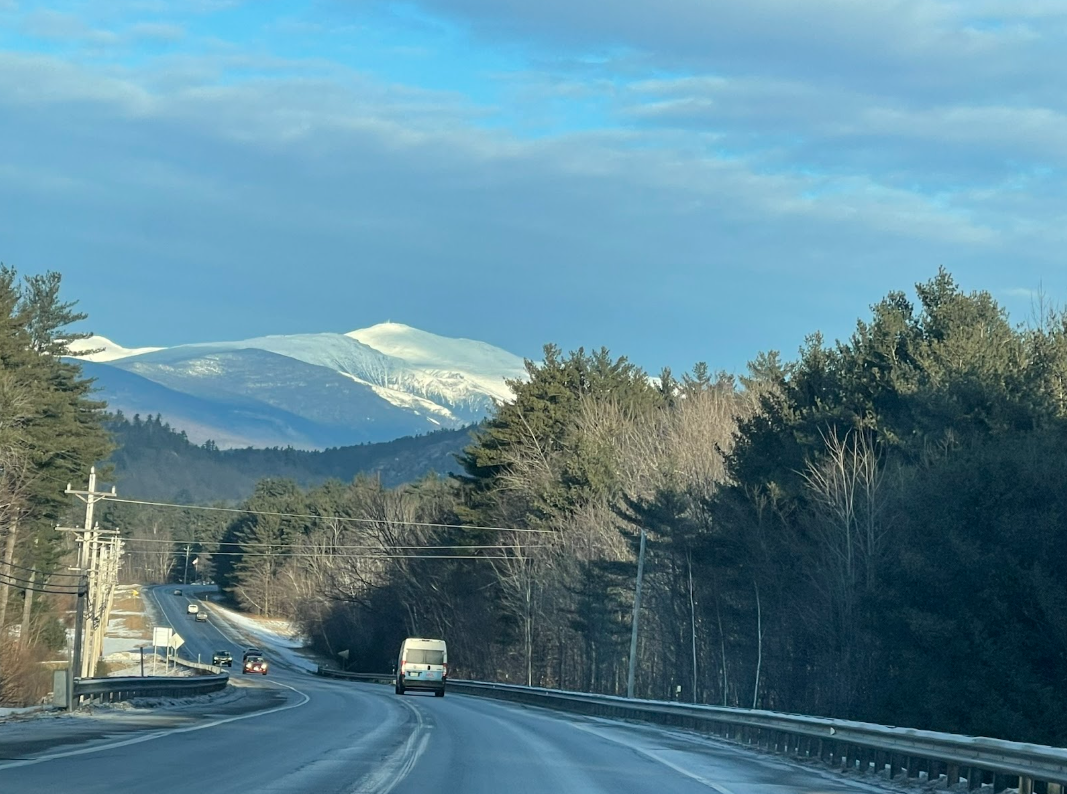
The White Mountains carry extraordinary history alongside their natural beauty and harsh conditions. The range got its name from sailors during colonial times who spotted white peaks from the coast of Maine. Mt. Washington itself was first recorded by Italian explorer Giovanni da Verrazzano in 1524 — the first European to note the mountain. Before European contact, the mountain was known by several Indigenous names: Kodaak Wadjo ("the top is so hidden"), Agiochook ("The Great Place of the Concealed One"), and to the Algonquians, Waumbik — "White Rocks."
Mt. Washington once held the world record for the highest measured wind speed: 408 km/h (254 mph). Its summit hosts an alpine-tundra climate found nowhere else in the Appalachians, and it remains the highest peak in the northeastern United States — including nearby Quebec. That extreme weather is no accident. The mountain sits at the convergence of three storm tracks: systems from the south originating in the Atlantic, storms sweeping in from the western US, and nor'easters charging down from the northeast.
We wanted the full experience — January, when the weather would be at its zenith of exceptional cold.
We finally decided to attempt the climb in January. The mountain has claimed lives, including that of Kate Matrosova, an investment banker and experienced climber training for Everest who was caught in a storm — her story is told in the book Where You'll Find Me: Risk, Decisions, and the Last Climb of Kate Matrosova. With that in mind, hiring a professional guiding company became non-negotiable. Social media enthusiastically and consistently recommended Red Line Guiding, who we selected.
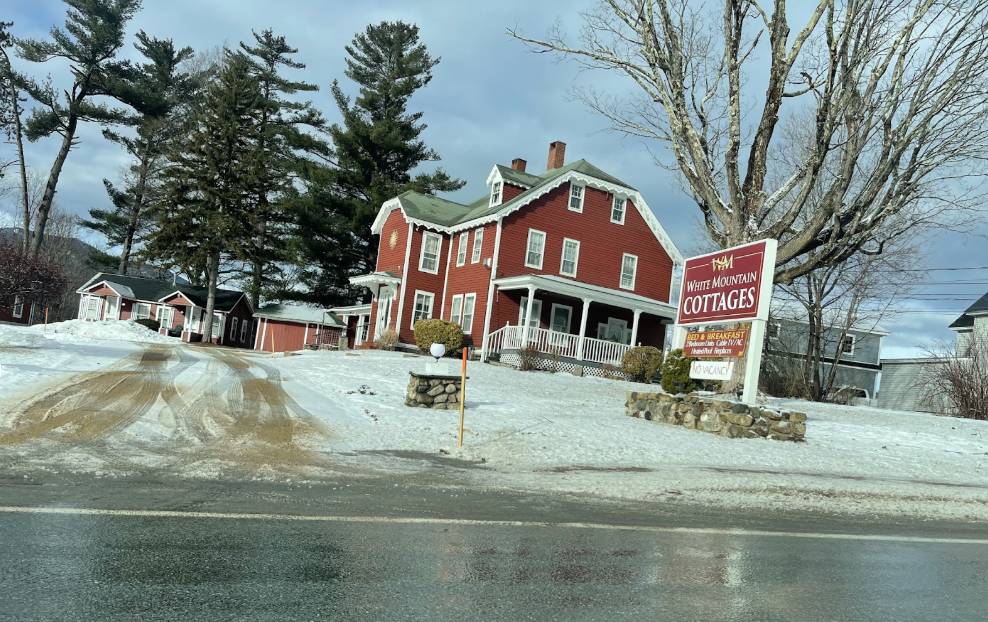
Originally we had about 6–7 people sign up, though the final group that went was four of us: Peter Zeitsev, Matt Dowell, myself, and my son Kiran — his first real mountain climb. I was surprised he signed up; he lives in New Hampshire and knows all too well how cold everyday life can be, let alone atop a mountain renowned for brutal winter conditions. Our team lodged at an old New England–style house that Julia kindly found for us in Conway, New Hampshire.
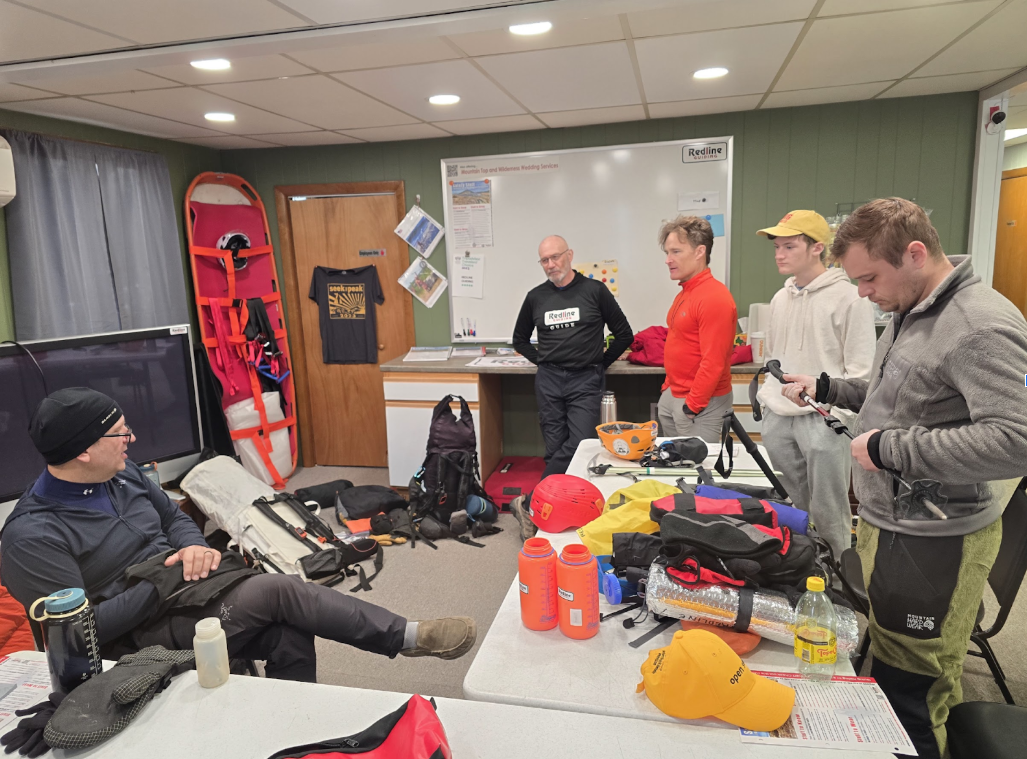
We arrived at Redline Guiding's Base Camp office for a gear check and safety briefing. The guides walked us through layers, crampon fitting, and mountaineering boots. During the introduction, the owner Mike Cherim — who had been on the search party that found Kate Matrosova — described winds of 100 mph and temperatures of −40°F, and the distress of finding her frozen. That story installed in me a very real fear about what we were stepping into.
We mapped our route: the Winter Route, with Lion's Head as the key decision point — a sub-summit that mirrors conditions at the full summit and serves as the natural place to turn back if needed. The lesson repeated throughout: think clearly, stay realistic, prioritize safety over summit fever.
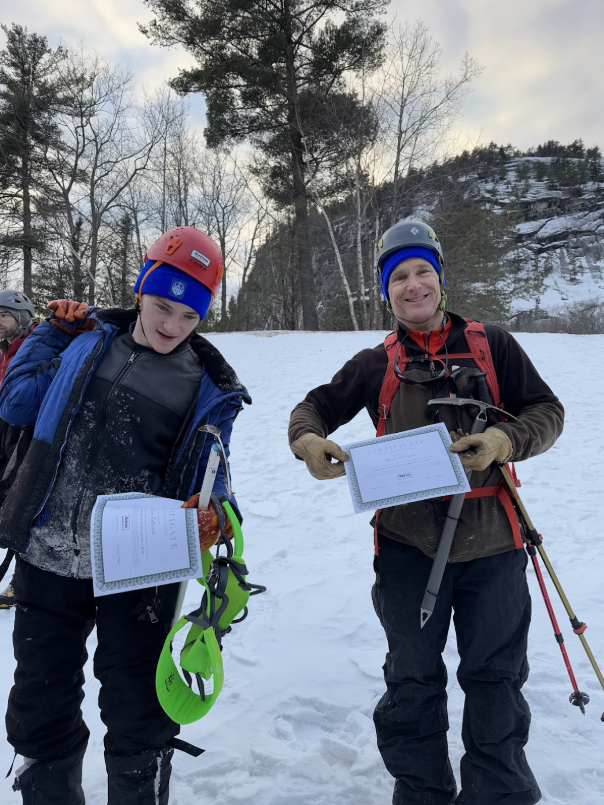
Training took place near White Mountain Hotel and Resort at the base of White Horse Ledge. We drilled four crampon styles:
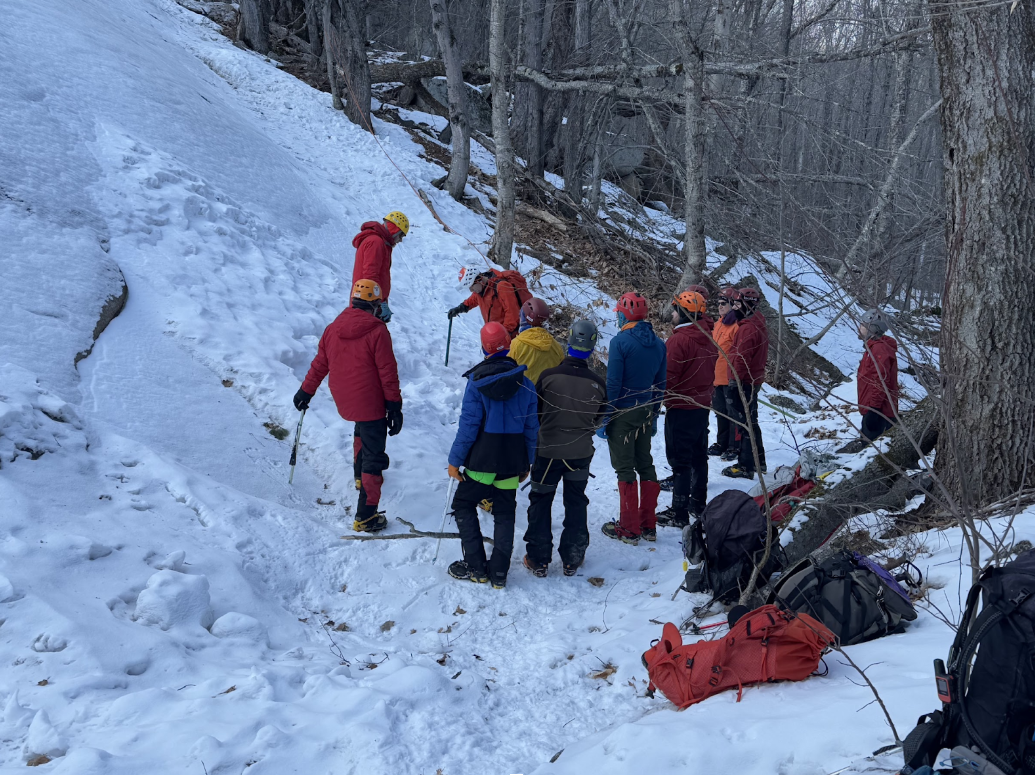
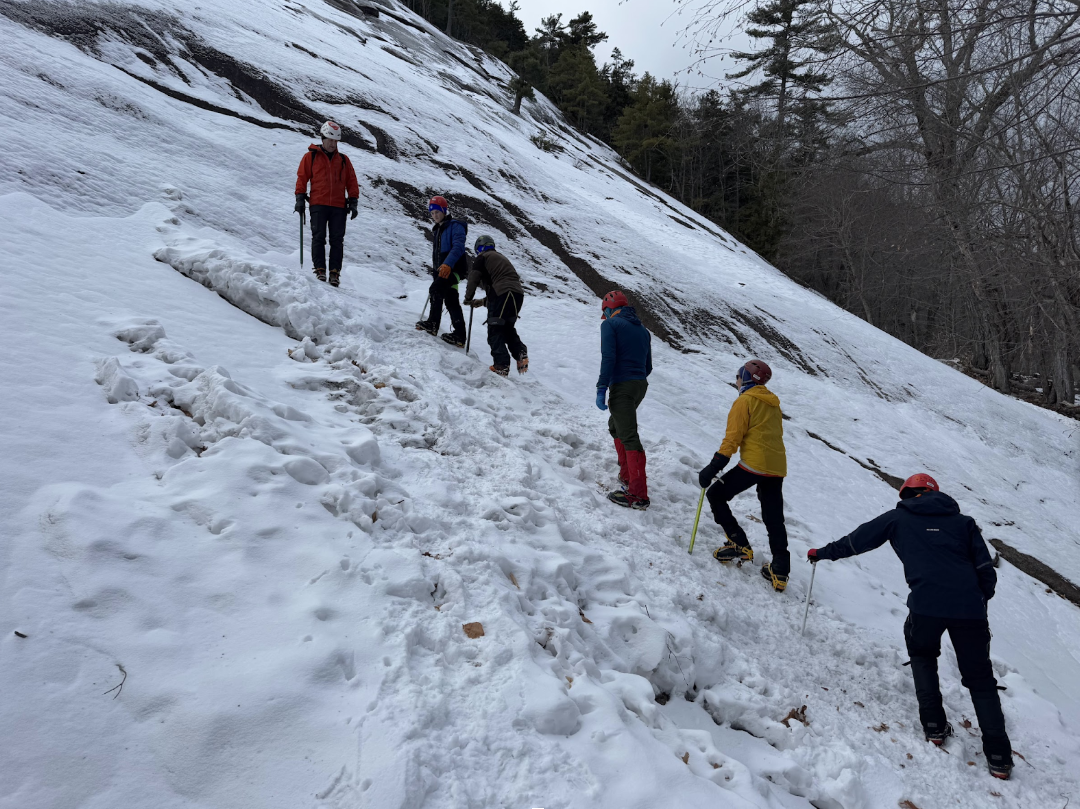
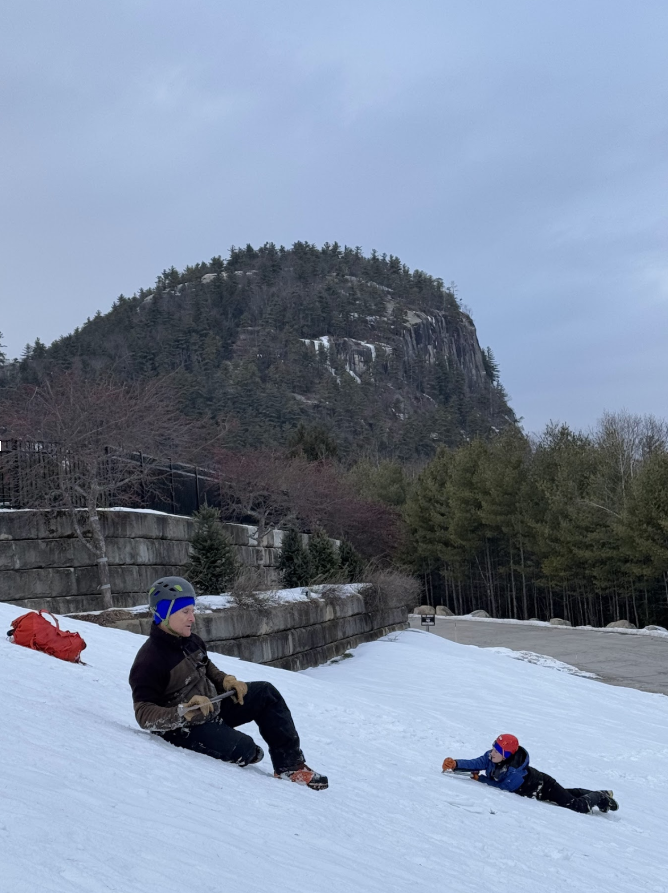
Lastly, we practised self-arrest techniques — finding a modest snowy hill and attempting to slide down as realistically as possible, then using the axe to hook into the snow and stop the slide. Kiran threw himself into it with genuine enthusiasm.
That day ended with a hearty meal at an Irish-themed pub in Conway. The next morning was going to come early.
We left the B&B early and headed to the AMC (Appalachian Mountain Club) Pinkham Notch Welcome Center. We started at 5:30 AM — dark, but hardly any wind and not nearly as cold as the White Mountains can get.
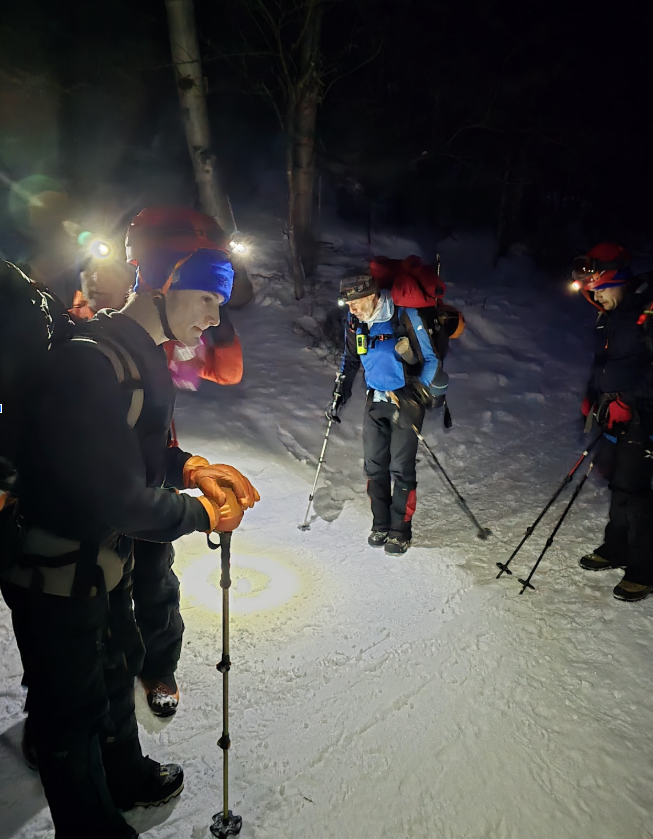
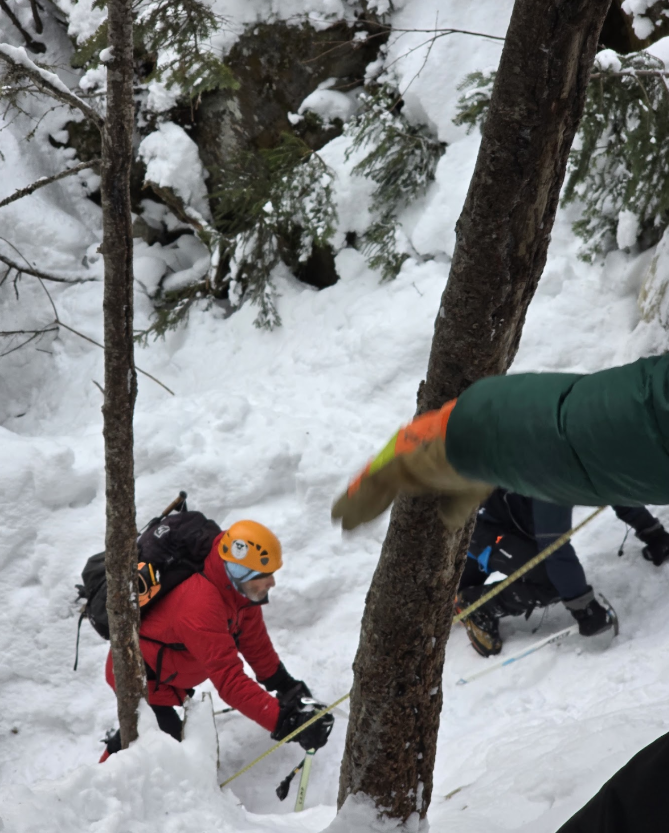
The opening stretch followed a wide trail with well-packed snow. Then we hit the Winter Route proper: thicker forest, deeper snow, steeper terrain. Crampons went on. The guides climbed ahead and lowered a rope for a technical rock section. After that — steady, steep, relentless — until we broke above the treeline.
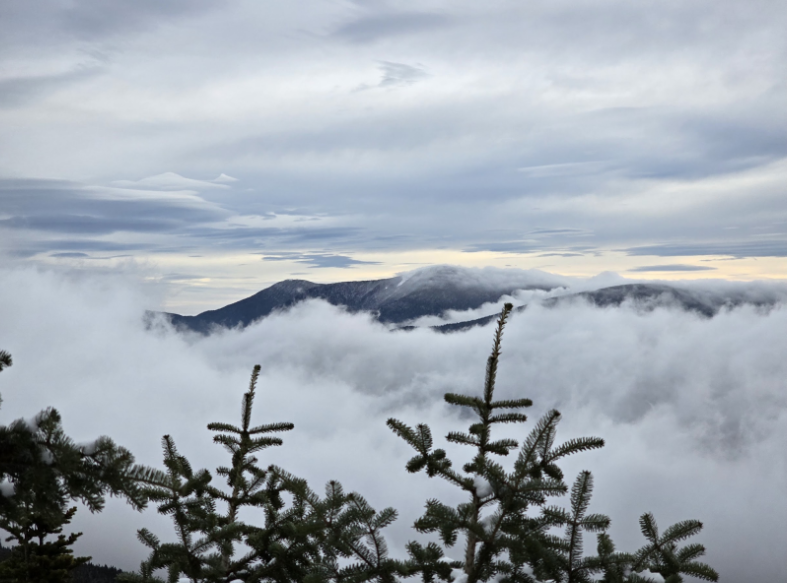
Above the treeline, the wind picked up and the cold intensified. We stopped to layer up completely and fuelled up with food for the stretch ahead. The scenery was extraordinary — vast, white, and silent except for the wind. Like stepping into Narnia.
As we climbed up Lion's Head, it was as if someone flipped a switch. The wind intensified with every step. We found a spot between two rocks, and everywhere around us, huge swirls of snow were blowing in vortexes. Our guides suggested we walk a little further to see just what we'd be facing in the next few miles to the summit.
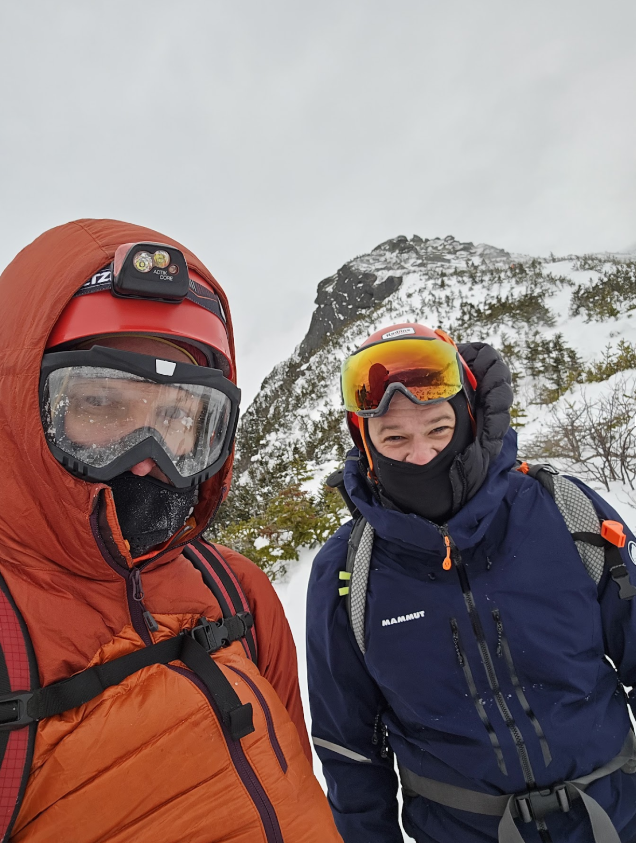
Huge swirls of snow were blowing in vortexes all around us. My son looked at me and said, "I'm terrified."
We walked about 50 feet. We could barely stand — each of us was pushed over by the gusts. We decided not to continue.
Because of the roaring wind, Kiran couldn't hear clearly. He thought we were still pushing for the top, repeating that he was terrified. It wasn't until I got close enough for him to hear me say "yes, we're headed down" that he exhaled. The relief on his face was immediate.
The moment we moved off Lion's Head, the wind dropped as suddenly as it had arrived. We paused at an overlook above Tuckerman's Ravine — the legendary couloir that holds snow into June and draws skiers as a bucket-list spring challenge — and caught one final gust before descending into calmer air.
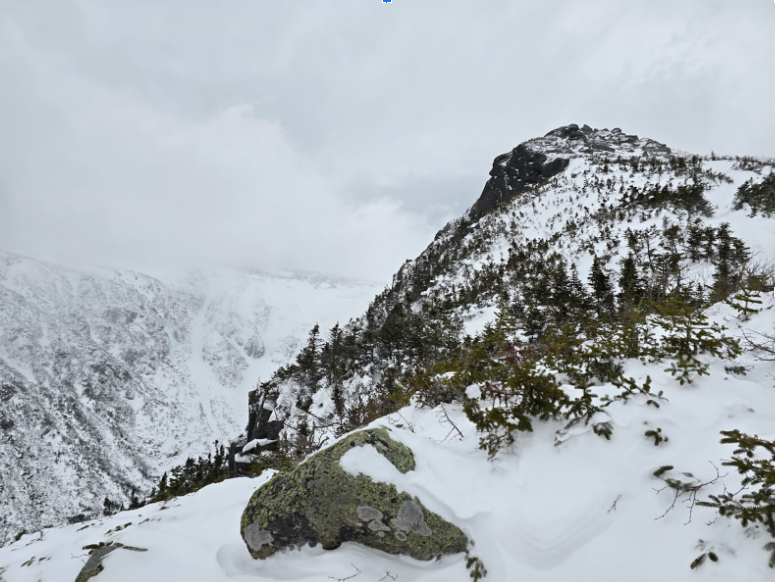
On the way down we carefully traversed one avalanche-risk section, following our guides who checked stability first. After that, steady downhill, step by step back into the trees. Julia met us at Pinkham Notch in the late afternoon. We drove back to Conway to celebrate: Lion's Head reached.
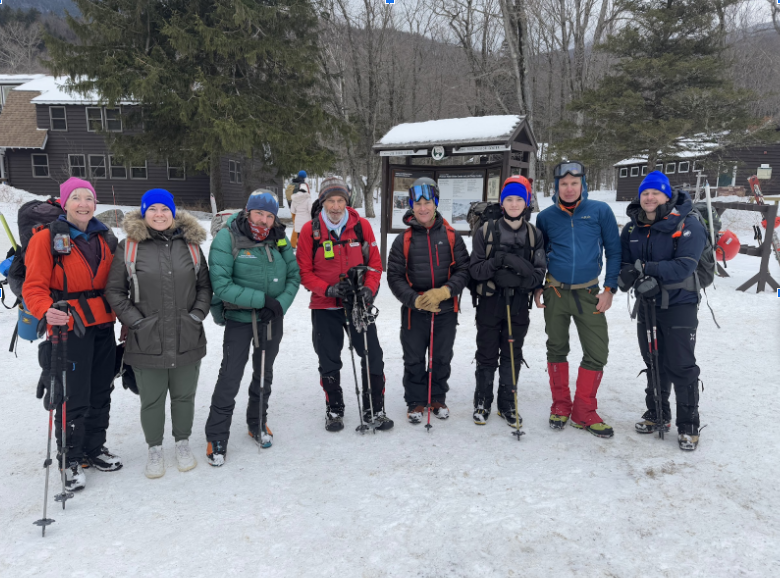
This trip was really excellent. It wasn't the highest mountain or the most exotic location we've tackled, but the White Mountains are stunning — rugged and angular in a way that feels unlike the rest of the Appalachians. The fact that this wild, challenging place sits within a few hours of Boston, New York, and Montreal makes it feel almost miraculous.
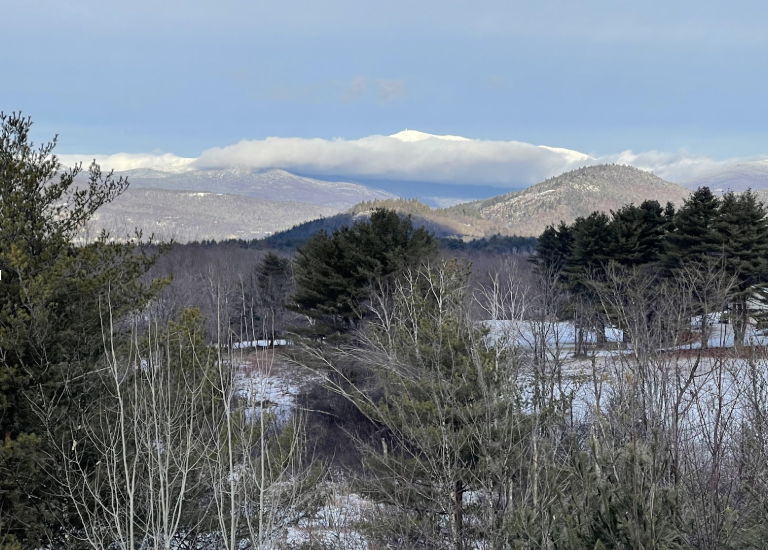
The winter aspect was what really provided the challenge. It's already hard just to be in the cold doing light activities — let alone climbing a mountain with crampons, fighting wind, and contending with every element the season throws at you.
The final and most important part of this experience was having been here with my son. Life is short, and we sometimes forget to spend it with the people we love. This was a great bonding experience — something I know Kiran will carry with him for the rest of his life.
I recently lost my father, who was a submarine officer. Throughout my childhood he was often gone on six-month deployments. But in between, we had moments — one in particular was a trip through the Smoky Mountains, a hike we did in Tablerock State Park in South Carolina that nearly broke us as kids, but is now one of the best memories I carry of him.
This climb with Kiran is that kind of memory. The kind he'll carry for the rest of his life. And so will I.
We send something when there's something to send. Upcoming climbs, open spots, and the odd story worth your time.
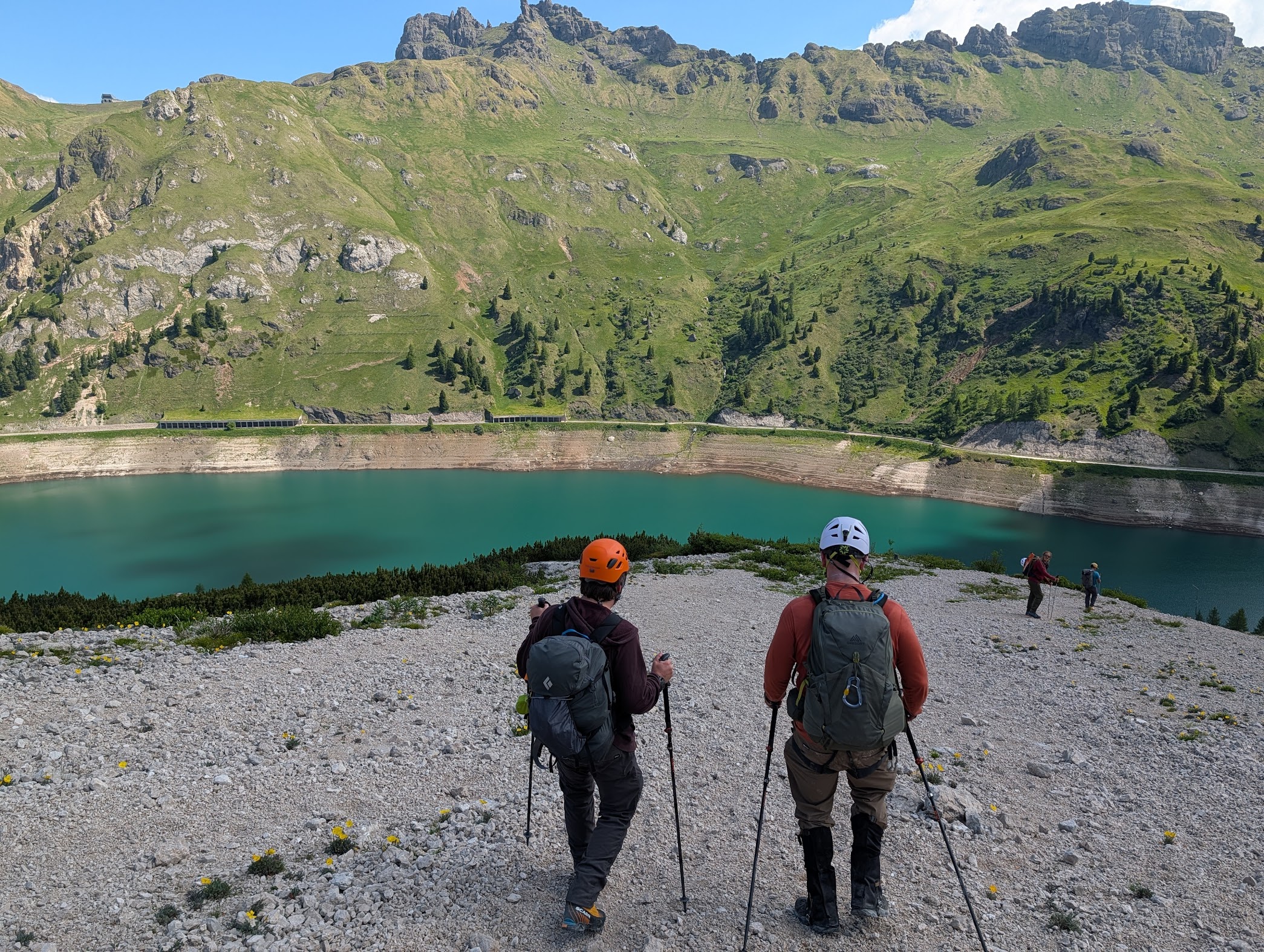
Seven geeks, one week in Alta Badia: the Crëp de Sela hike, via ferratas Les Cordes and Tridentina, and a night in the highest rifugio in Italy.
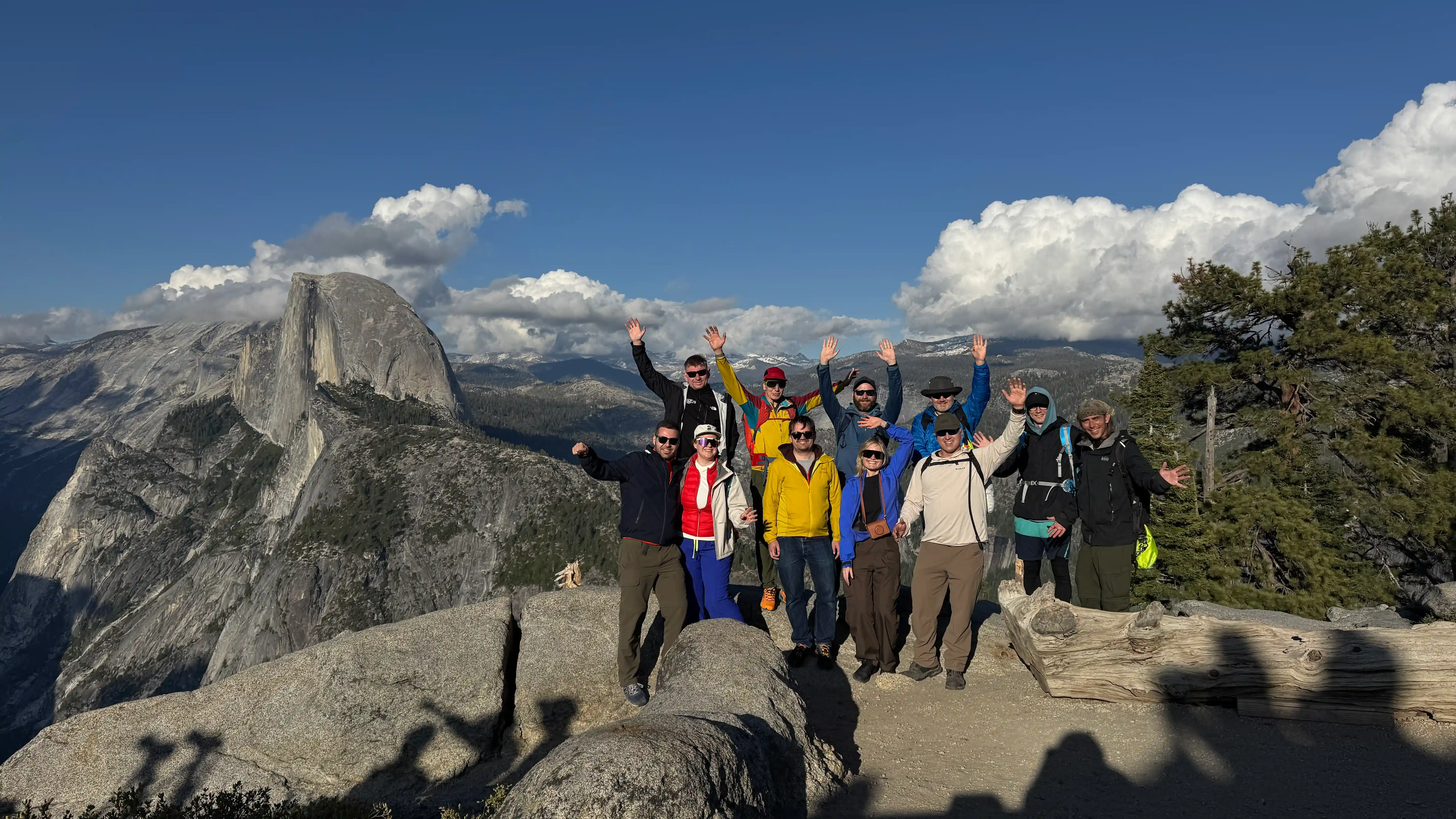
After Percona Live Bay Area 2026, twelve of us had a weekend and a plan: Yosemite. Four days, 16 km of trail, seven climbing routes at Camp 4, and one very strange hotel room assignment. The park held up its end.
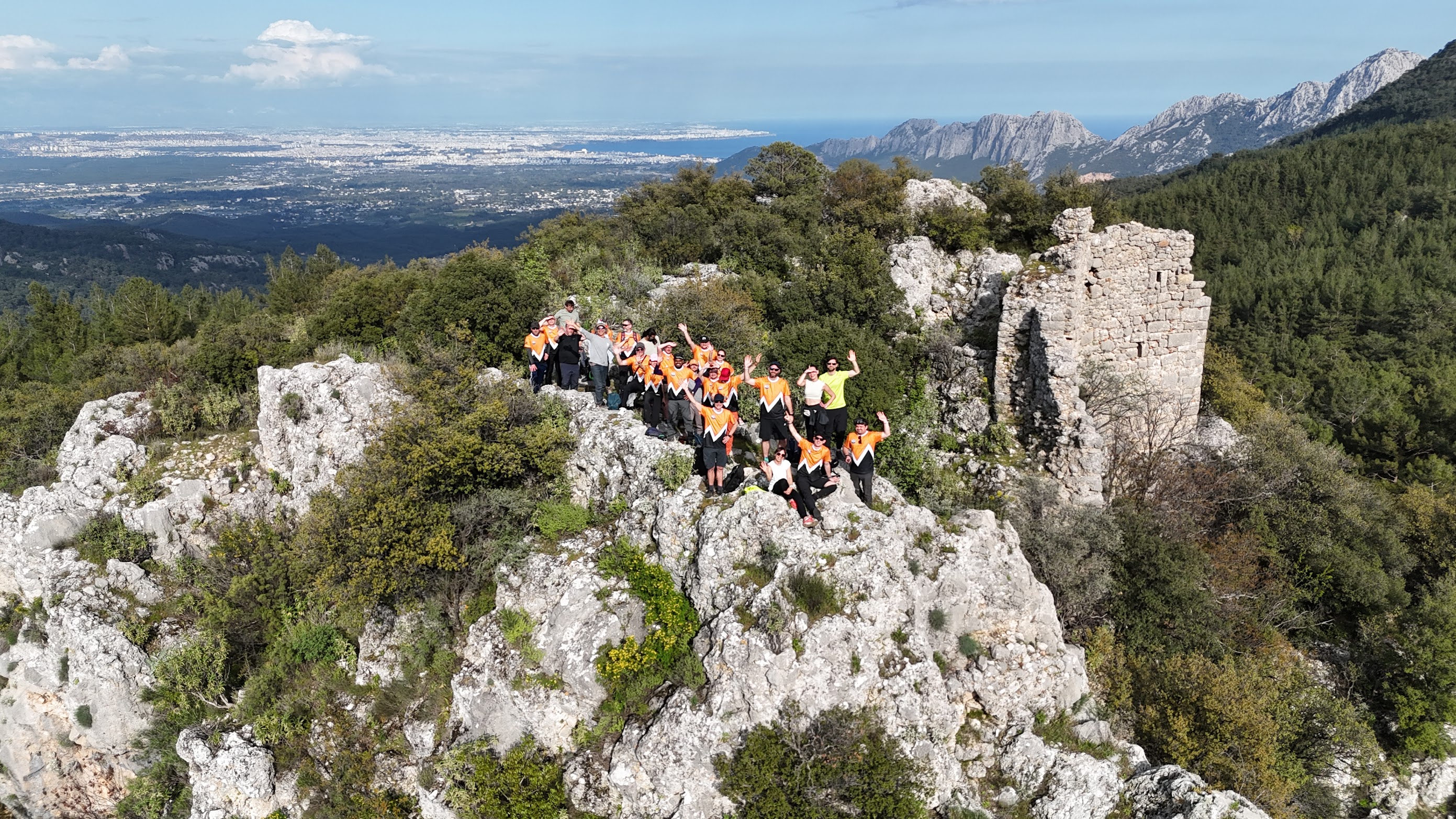
We took Percona's engineering team climbing in Geyikbayiri — sport routes in the Taurus mountains, a trek to Roman ruins, a handmade banner, and a motto that ended up on a jersey.