join the next adventure
Join a growing network of curious explorers. Get early access to new trips, insider updates, and connect with people who share your drive for adventure.


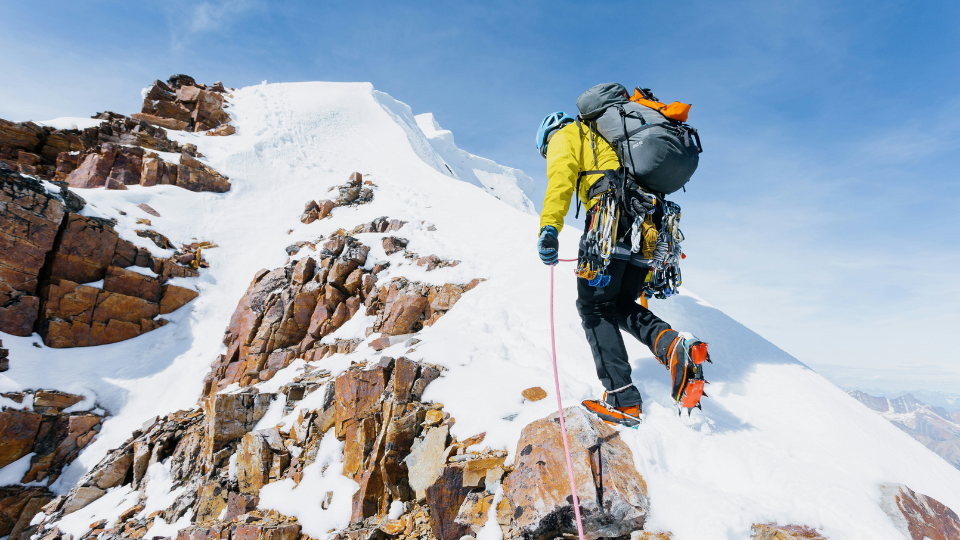
If you're preparing for a high-altitude trek or mountain climb, there's one important detail that often gets overlooked: iron.
When we talk about altitude sickness, acclimatization, and endurance, most people think about oxygen saturation, ECGs, and overall fitness. But there's another factor quietly working in the background — ferritin, the stored form of iron in your body.
During acclimatization, your body ramps up production of hemoglobin to carry more oxygen to your muscles and organs. That process depends heavily on having enough iron in reserve.
Good acclimatization starts long before your boots hit the trail.
Low ferritin is more common than most climbers realise — and the consequences at altitude are real:
Before your trip, get a simple blood test that covers:
This is especially worth doing if you're female, highly athletic, recovering from illness, follow a restricted diet, or have had iron issues in the past.
Iron isn't something you should supplement "just in case." Too much can be harmful — only take it if your tests show you need it, and ideally under the guidance of a doctor or nutritionist.
Fitness matters, but it only gets you so far. If your iron stores are depleted, even a strong, well-trained body will struggle to adapt to altitude. Sorting this out before you leave doesn't guarantee a summit — but ignoring it is an avoidable risk.
Check your iron. It might just make your climb a whole lot easier.
We send something when there's something to send. Upcoming climbs, open spots, and the odd story worth your time.
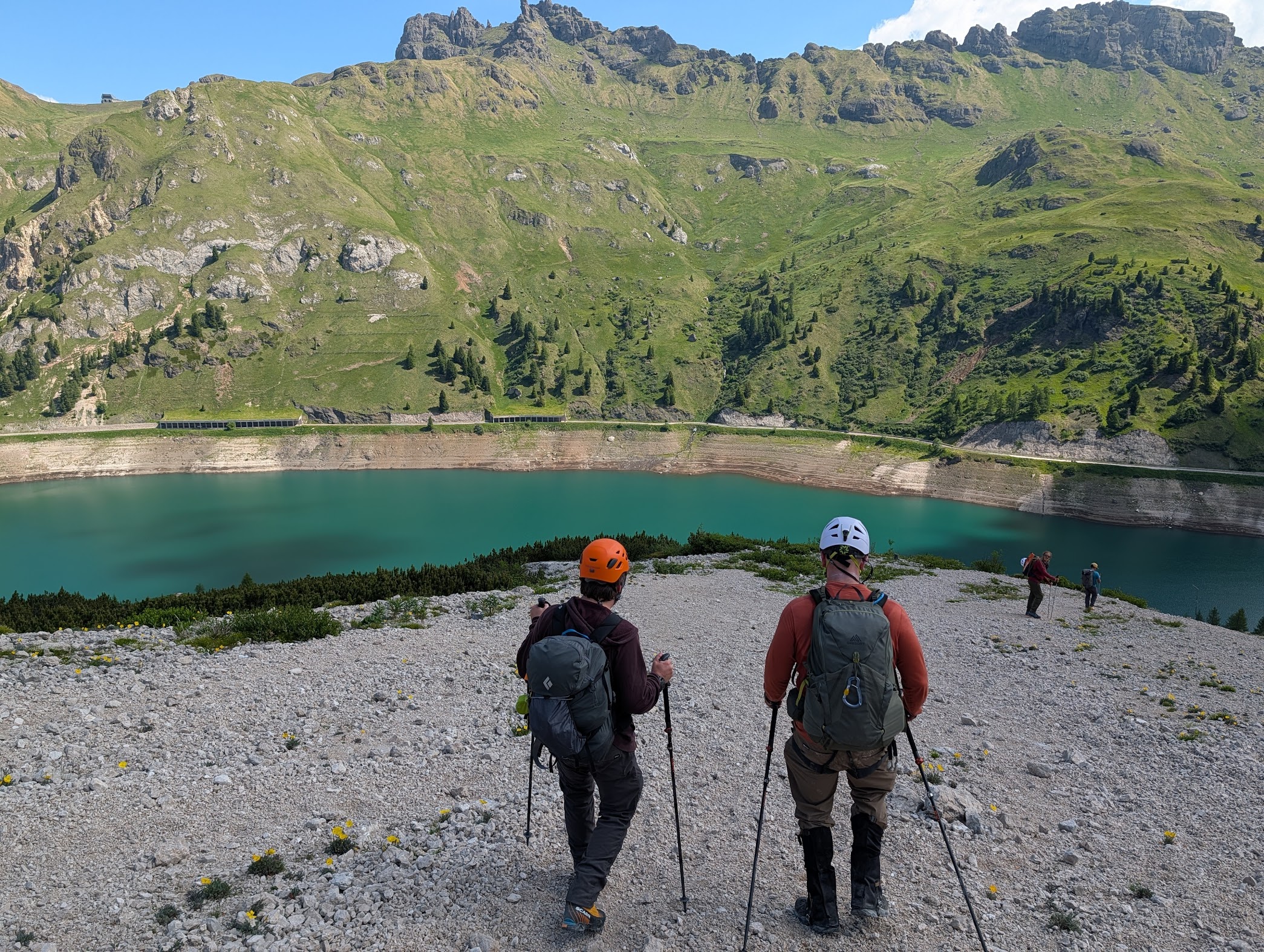
Seven geeks, one week in Alta Badia: the Crëp de Sela hike, via ferratas Les Cordes and Tridentina, and a night in the highest rifugio in Italy.
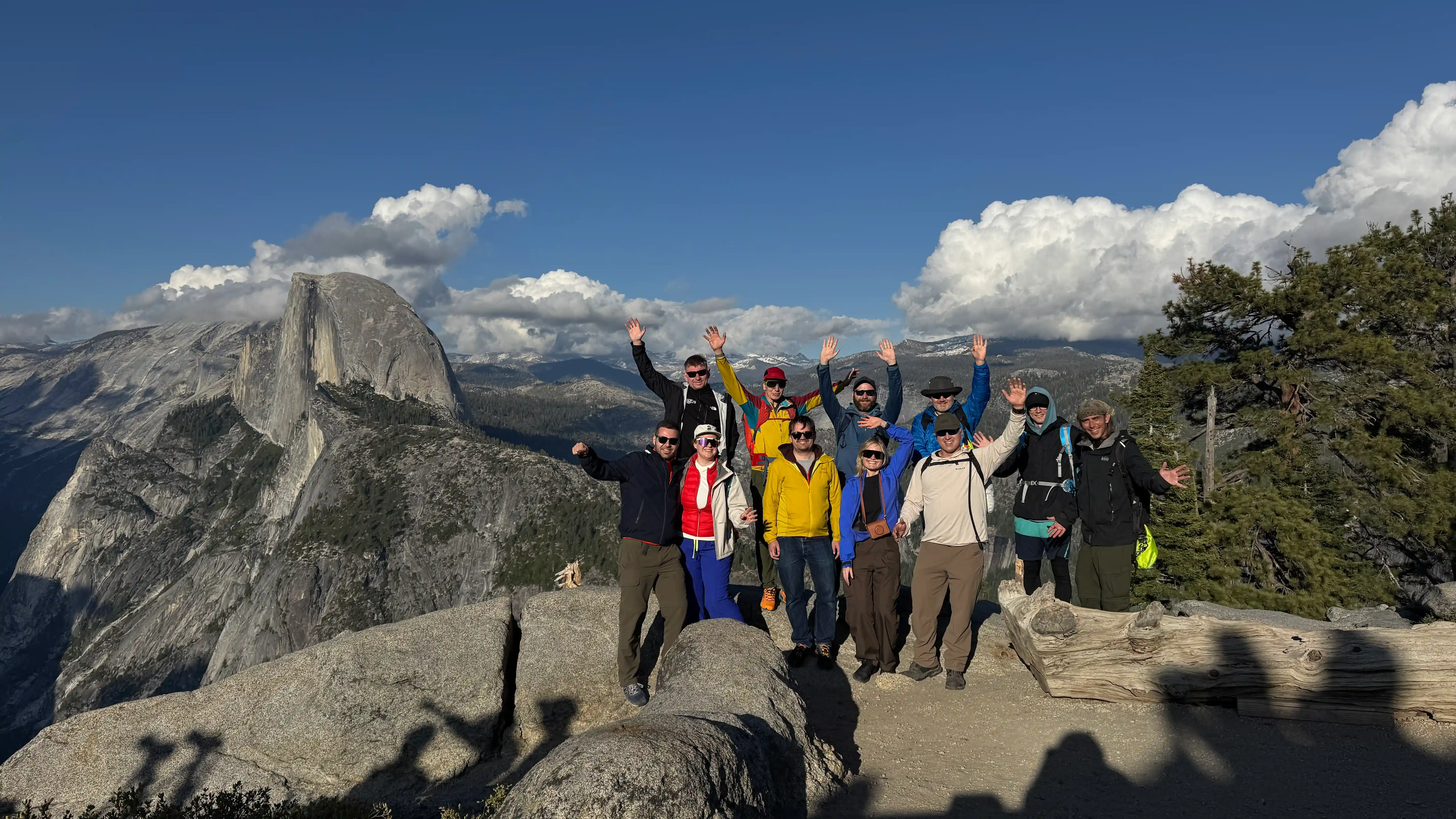
After Percona Live Bay Area 2026, twelve of us had a weekend and a plan: Yosemite. Four days, 16 km of trail, seven climbing routes at Camp 4, and one very strange hotel room assignment. The park held up its end.
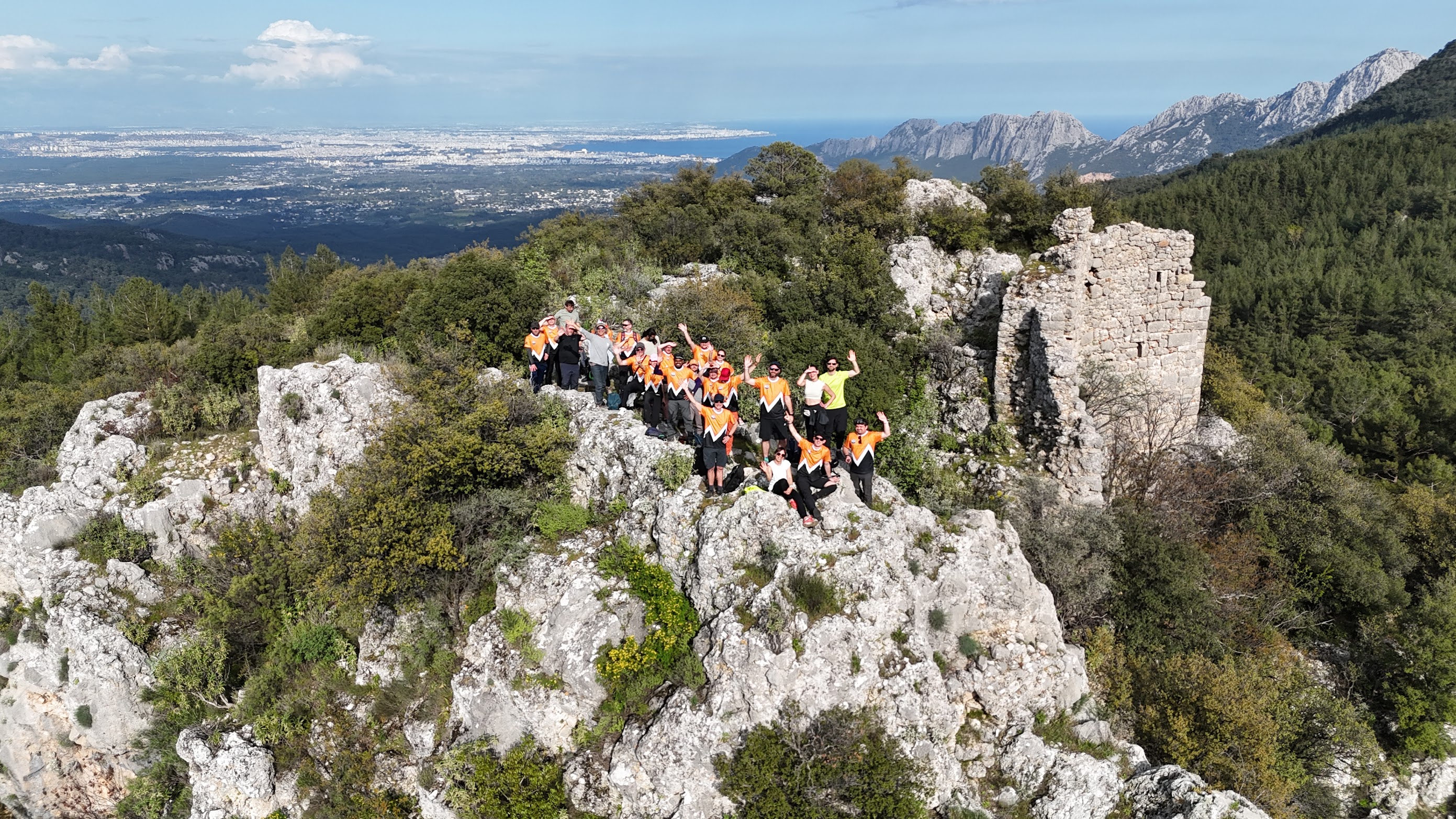
We took Percona's engineering team climbing in Geyikbayiri — sport routes in the Taurus mountains, a trek to Roman ruins, a handmade banner, and a motto that ended up on a jersey.