join the next adventure
Join a growing network of curious explorers. Get early access to new trips, insider updates, and connect with people who share your drive for adventure.



There's a version of running an adventure business where you sit behind a screen, coordinate logistics by email, and trust that everything unfolds as planned. We tried that. It works — until it doesn't. The only way to really know how a tour runs is to be on it.
What follows are the things you can only learn by showing up.
The only way to really know how a tour runs is to be on it.
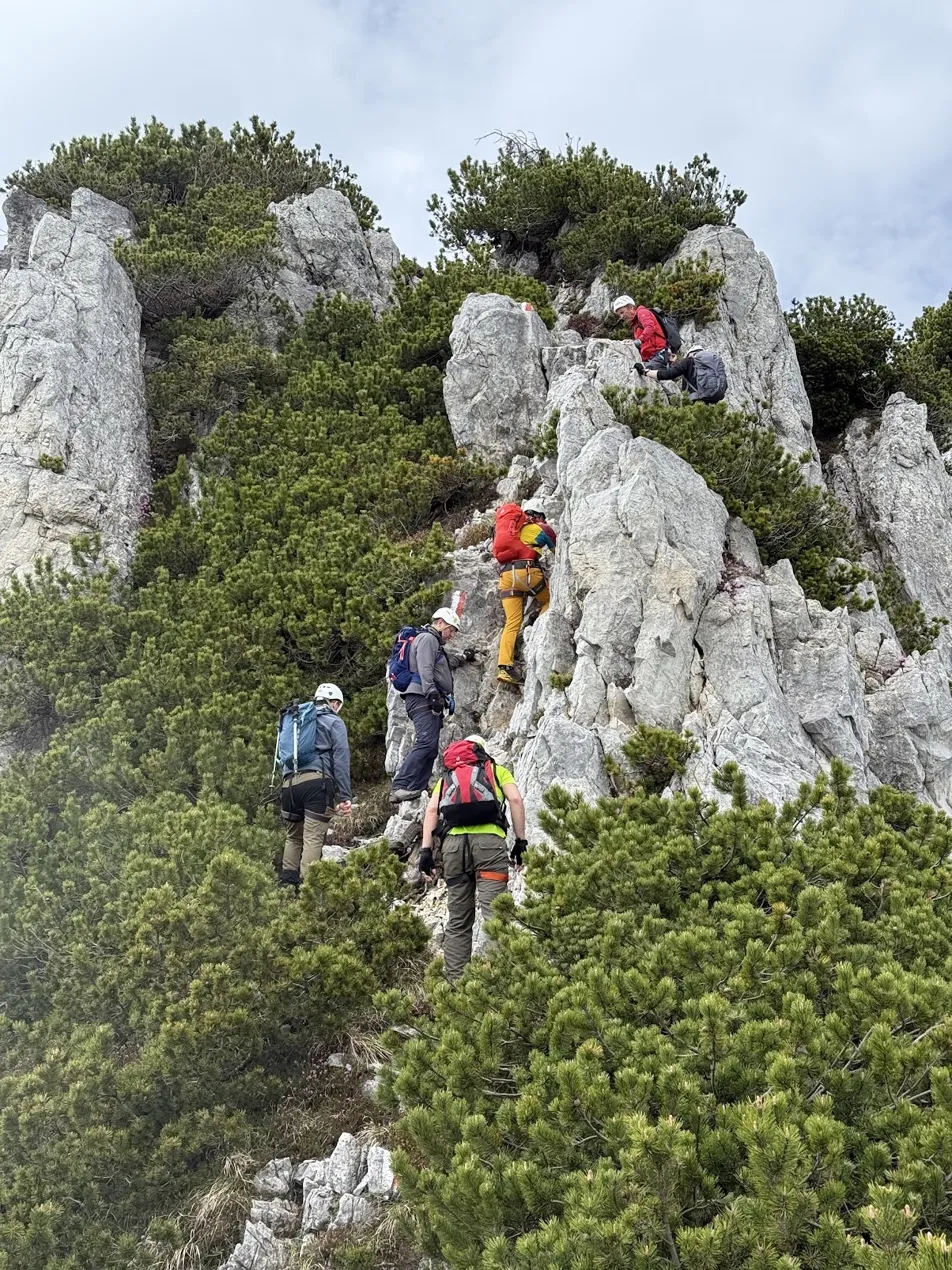
Guides handle their core responsibilities well: leading excursions, managing logistics, keeping the group moving. What gets murky is the in-between time — the gaps between activities where nobody has a clear role.
After a wet winter session, not everyone realises their gear needs to dry overnight. In the morning, not everyone thinks to pack snacks. These aren't guide failures, exactly — but they're moments that someone needs to own. Being on-site tells you whether anyone does.
Guide performance is also easier to evaluate in person than from a satisfaction survey. Are participants told how long the next section takes? Are stops happening where the itinerary says, or are corners being quietly cut? These details matter more once you're running the same routes repeatedly with the same guides.
A timetable on paper and a timetable in the mountains are two different things. On-site, you start clocking the real numbers: how long a group of eight actually takes to get out of a van, how much buffer a summit lunch needs, what happens to the afternoon programme when breakfast runs long.
Some questions only reveal themselves in practice:
The choice between a hotel and a rented house sounds like a logistics decision. In practice, it shapes the entire social texture of the trip. Hotels with breakfast and dinner included are convenient — but without shared spaces, people disappear into their rooms after dinner. A house with a fireplace keeps the group together. Those evening conversations are often what participants remember most.
Some things only surface when you're there:
None of these are dramatic. All of them matter.
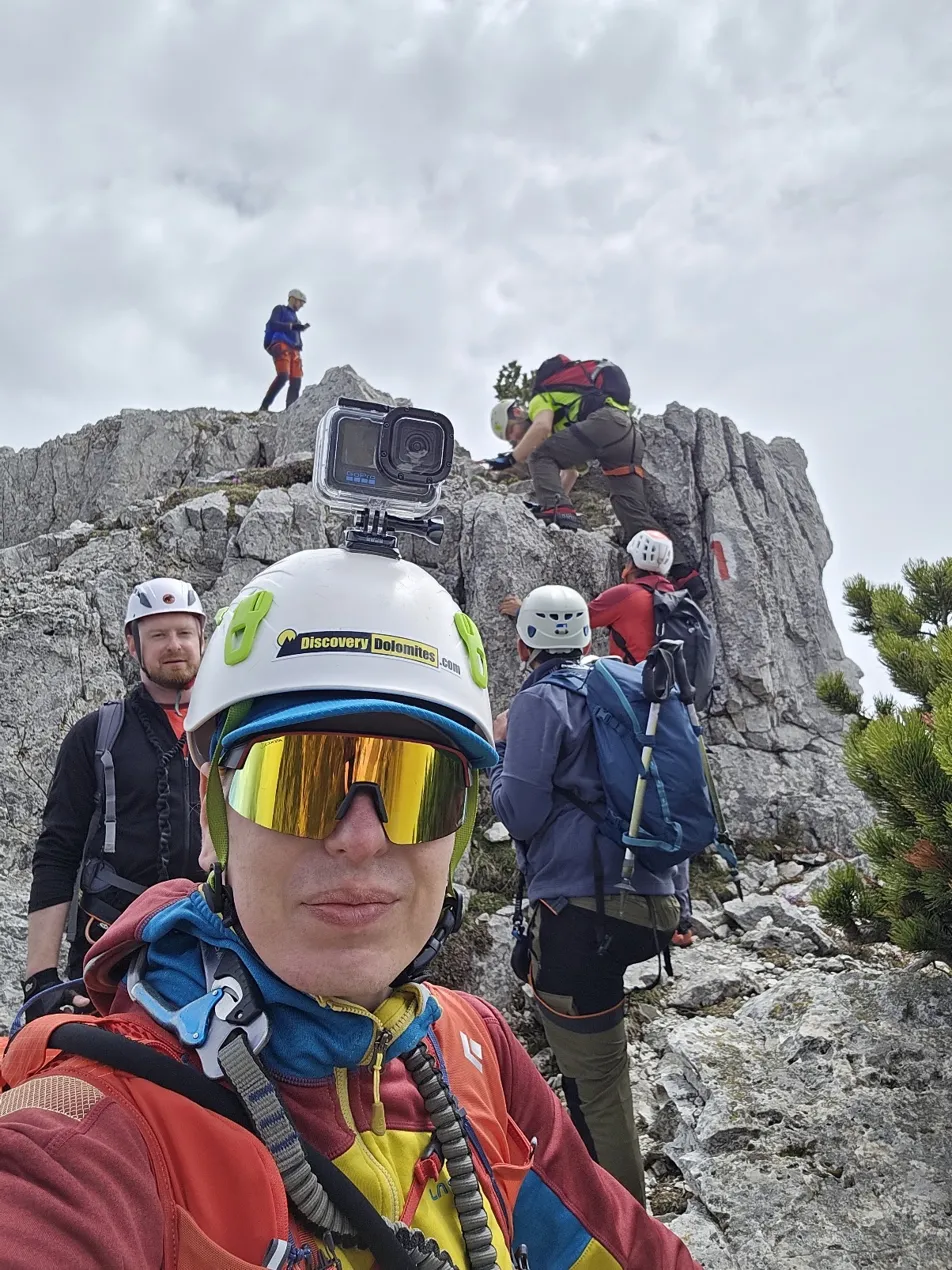
Even when there's a professional photographer on the trip, their eye isn't necessarily your eye. They're capturing beauty. You need content that works for a landing page, an Instagram story, and a client email. Those are different frames.
Being present means you can steer — or at least flag — when something is being missed. The candid moment between two participants on a rest break. The guide explaining a route with a dramatic backdrop. The group reaction at the top. These don't always happen in front of a camera unless someone is paying attention.
There's a trust dimension too. Clients who see you on the trail — not managing from a distance, but actually there — relate to you differently. You become someone who shared the experience, not someone who sold it to them. That shifts how they talk about it afterwards.
Clients who see you on the trail relate to you differently. You become someone who shared the experience, not someone who sold it to them.
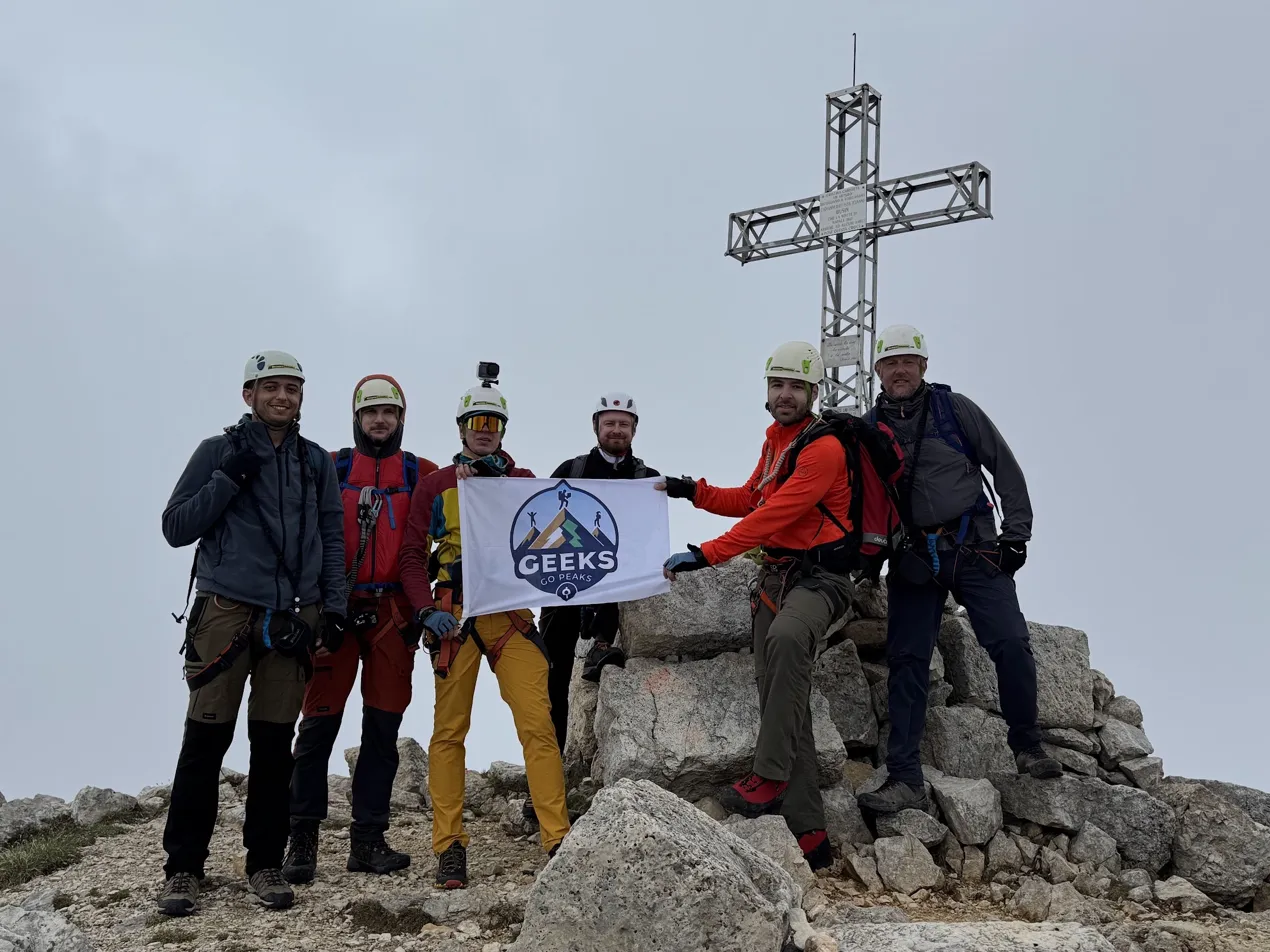
Joining your own tours isn't a nice-to-have. It's how you find out what you're actually running.
The observations above aren't a checklist — they're the kind of thing that only accumulates through experience. Every trip teaches you something the previous one didn't. The goal isn't to control every variable. It's to understand your product well enough to keep making it better.
Get on the mountain. The view from behind a desk doesn't compare.
We send something when there's something to send. Upcoming climbs, open spots, and the odd story worth your time.
Patrick Galbraith on the Tour de Abyss, a class 3-4 scramble linking Mount Bierstadt and Mount Blue Sky through Colorado's Abyss Basin.
Twelve geeks extended Percona Live with an e-bike day through Waterland, a guided Badhus sauna, and a paddle down the Amstel.
Seven geeks, one week in Alta Badia: the Crëp de Sela hike, via ferratas Les Cordes and Tridentina, and a night in the highest rifugio in Italy.