join the next adventure
Join a growing network of curious explorers. Get early access to new trips, insider updates, and connect with people who share your drive for adventure.





When people ask how to train for a high-altitude expedition, they usually want to know about strength versus cardio, legs versus core, how many hours a week. These are valid questions. But they're not the most important one.
The most important question is: how long can you keep going when everything hurts and you want to stop?
Unless you're attempting a genuinely technical mountain, a wide range of physical fitness levels will get you to the summit. A well-prepared climber might take eight hours. A less prepared one might take fourteen. Both can make it — if they're mentally ready for the challenge. The less fit you are, the longer and harder you'll have to work for the same outcome. But physical fitness alone doesn't guarantee you finish. Mental endurance does.
Hardly anyone feels the same at altitude as they do at sea level. Minor headaches, nausea, knee pain, exhaustion — that's a normal day. You need enough mental endurance to keep moving through all of it.
Mental endurance follows the same principles as physical training: you build it gradually, by repeatedly pushing past the point where you'd normally stop.
Pick a long-duration activity — running, cycling, hiking — and work at a moderate intensity until you reach the moment you want to quit. Then keep going. Not forever, and not recklessly — but deliberately past that threshold. Over weeks and months, extend the time you spend in that uncomfortable zone.
What changes isn't your pain tolerance. It's your relationship with discomfort. The internal voice that says I can't do this anymore starts to sound less authoritative. You stop treating it as information and start treating it as background noise. "Five more hours" stops sounding impossible and starts sounding like a manageable fact.
The useful side effect: mental endurance training is also physical endurance training. Long, sustained efforts build aerobic capacity, leg strength, and the kind of resilience that gym sessions rarely replicate. It's the most efficient preparation available for mountain climbing — two adaptations from one activity.
On a summit push, there will be a point — usually somewhere in the middle of the night, at altitude, with hours still to go — where your body is telling you to stop and your mind has to override it. Physically fit climbers who haven't trained this skill sometimes don't make it past that point. Climbers who have trained it, who know what it feels like to keep moving when every instinct says otherwise, often do — even without exceptional physical conditioning.
That's the real training goal: not to feel good on the mountain, but to be completely comfortable with feeling bad — and continuing anyway.
We send something when there's something to send. Upcoming climbs, open spots, and the odd story worth your time.
Patrick Galbraith on the Tour de Abyss, a class 3-4 scramble linking Mount Bierstadt and Mount Blue Sky through Colorado's Abyss Basin.
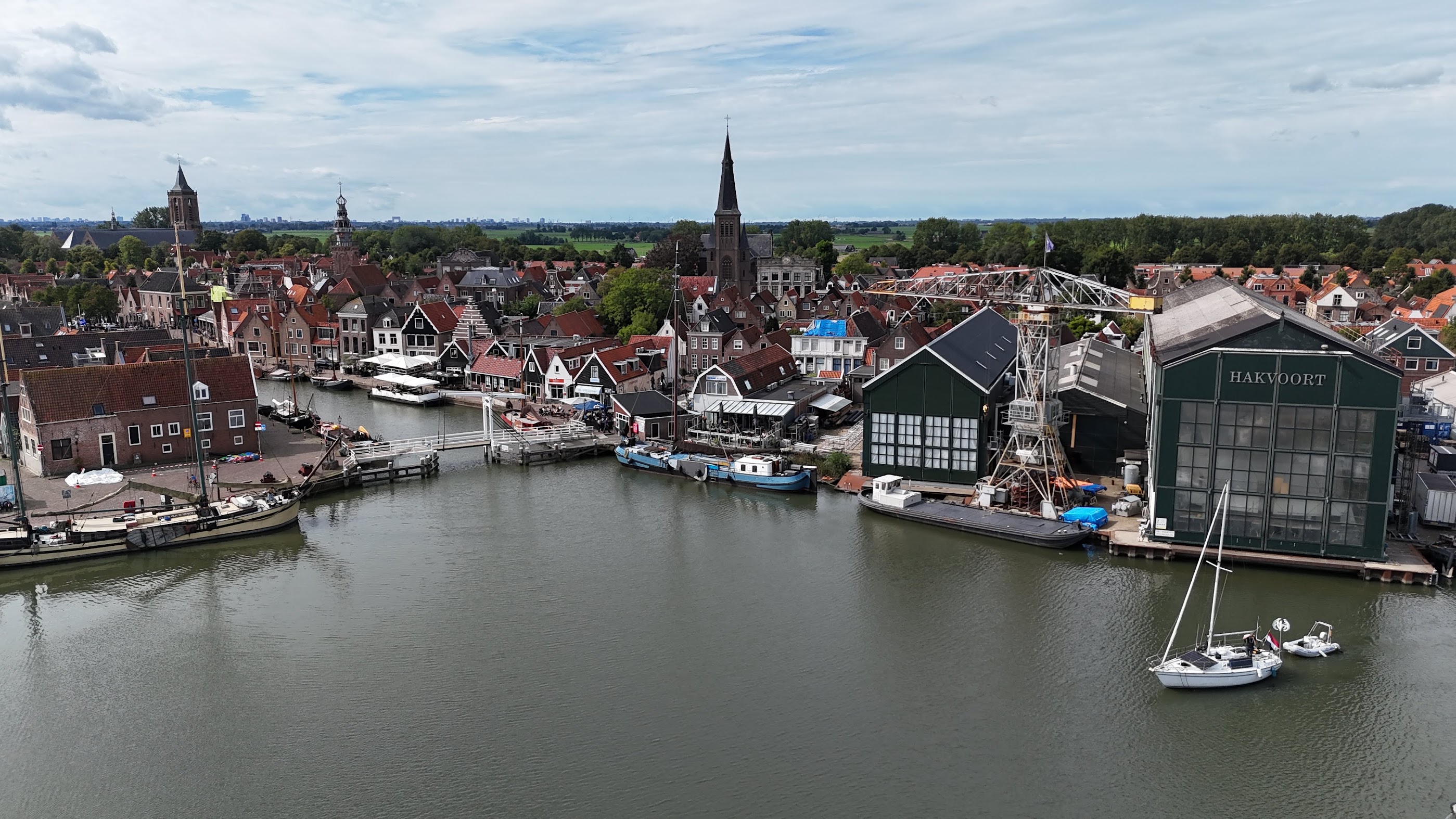
Twelve geeks extended Percona Live with an e-bike day through Waterland, a guided Badhus sauna, and a paddle down the Amstel.
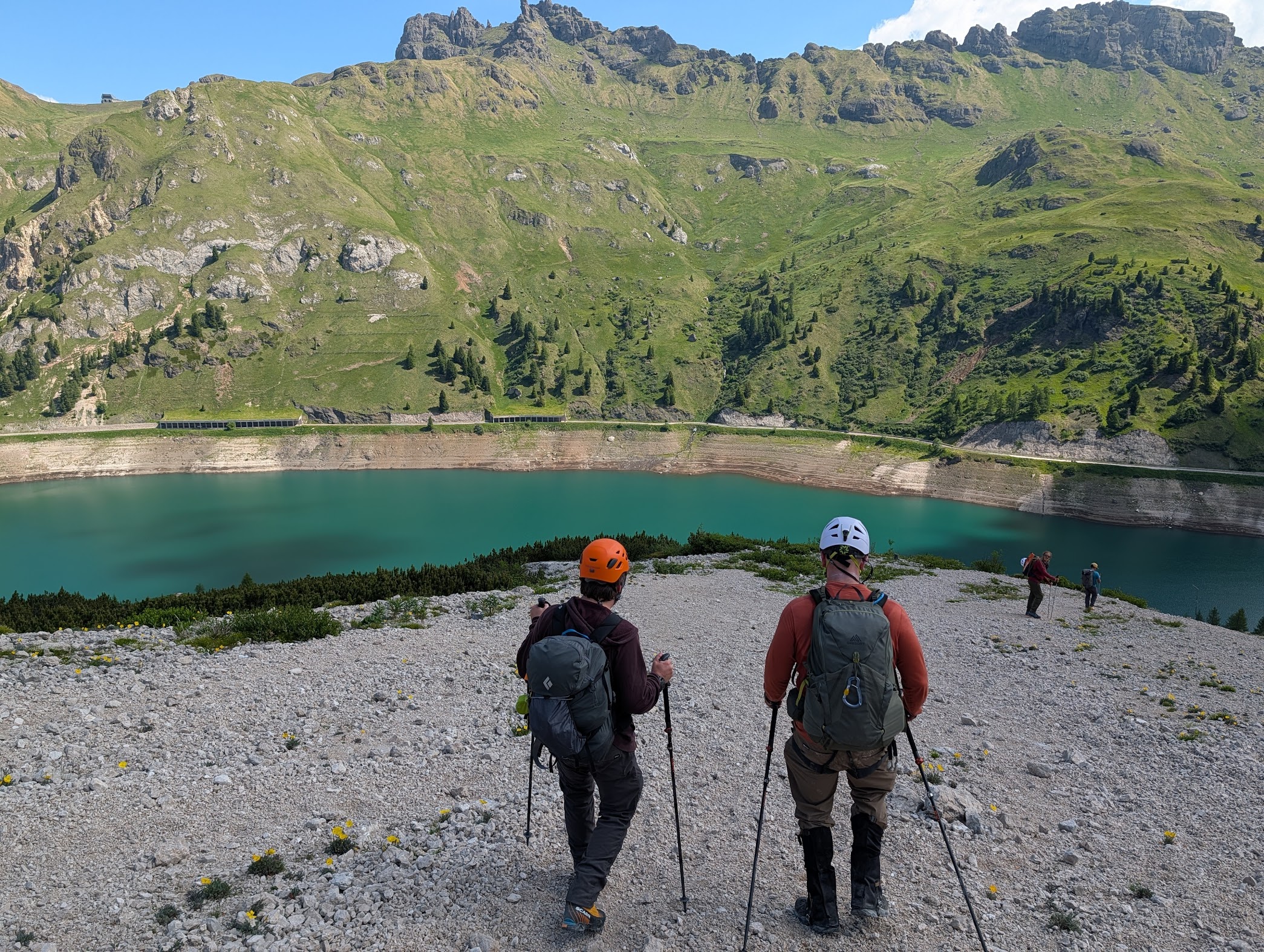
Seven geeks, one week in Alta Badia: the Crëp de Sela hike, via ferratas Les Cordes and Tridentina, and a night in the highest rifugio in Italy.