join the next adventure
Join a growing network of curious explorers. Get early access to new trips, insider updates, and connect with people who share your drive for adventure.


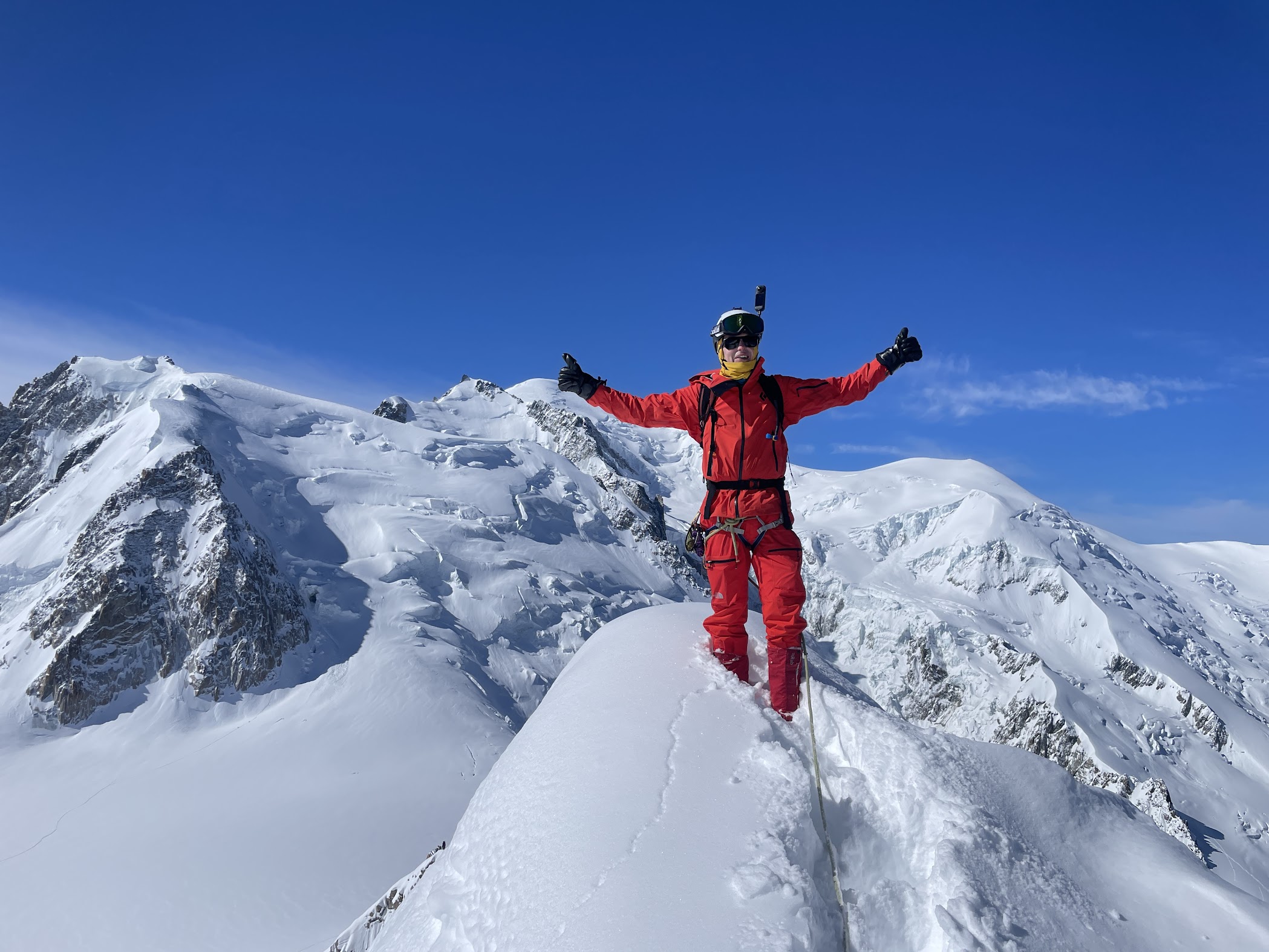
GeeksGoPeaks founder Peter Zaitsev, together with adventurous community member Tamas Kozak, scouted the Chamonix area for future GGP adventures — and what was meant to be a planning trip turned into an epic adventure in its own right.
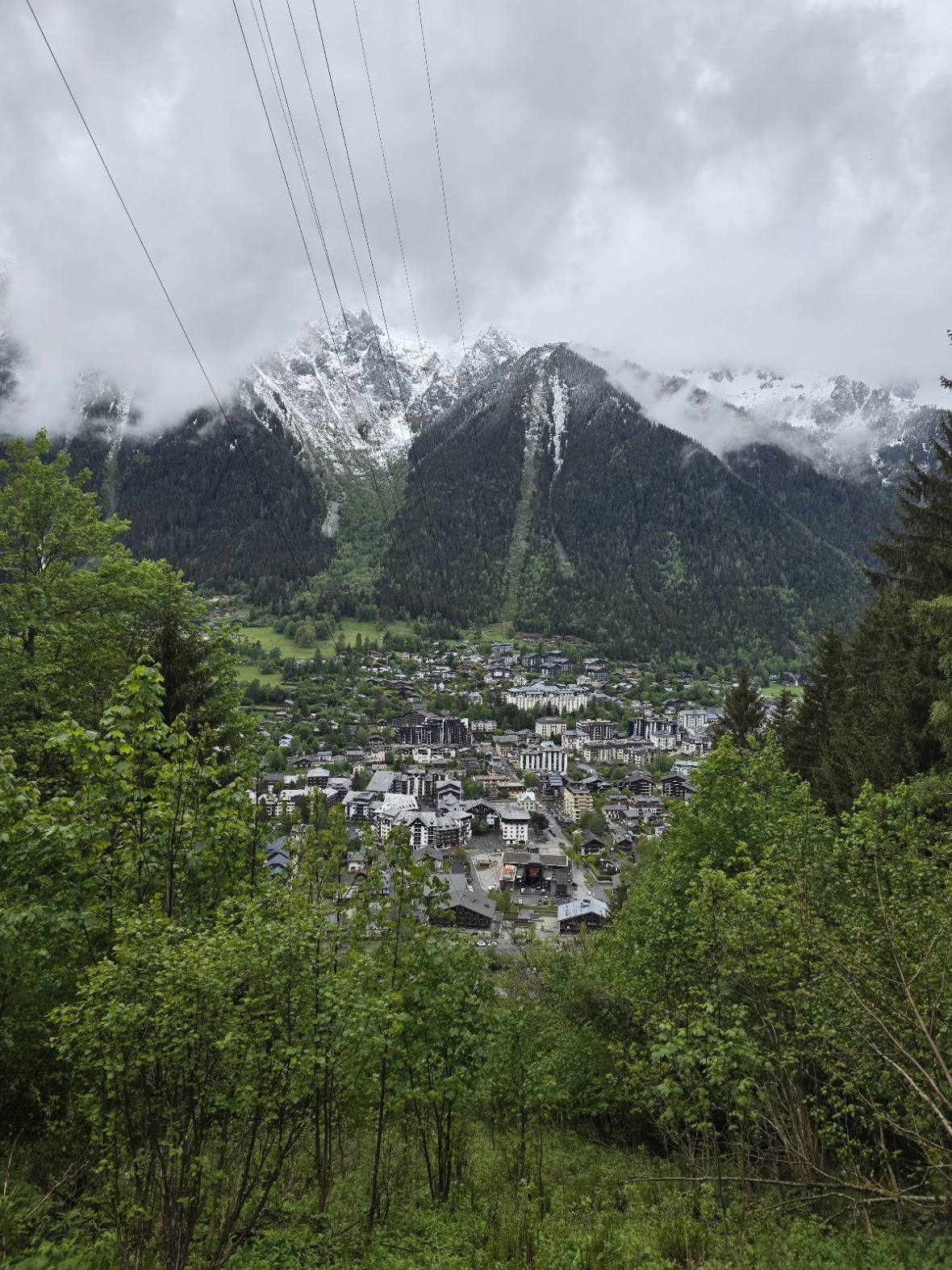
As I was heading to Paris for the Open Source Founders Summit, I saw a perfect opportunity to spend the weekend in the Chamonix area scouting potential future adventures for the GeeksGoPeaks community.
The Chamonix area is exceptional for accessible mountaineering. Less than a 90-minute car or bus ride from well-connected Geneva Airport, it offers multiple cable cars reaching as high as 3,800 meters, providing access to snowy alpine terrain even in the middle of summer. At the same time, the lower elevations offer a huge range of other adventure activities.
Mid-May is generally a shoulder season in Chamonix: the winter season is over, but the summer season has not fully started yet. I was hoping this would mean fewer crowds while still leaving room for fun mixed climbing at higher elevations. According to some sources, this is also when alpine blooms begin to appear at certain elevations, adding another layer of interest to the scouting trip.
That was not how things played out. Just before we arrived, a highly unusual storm hit the area. Snow and freezing rain reached Chamonix itself, while higher elevations received as much as 1.5 meters of fresh snow. Temperatures also stayed unusually cold for the season, around -15°C at altitude, forcing us to significantly alter our original plans.

Our initial plan was to start acclimatizing with a via ferrata and some rock climbing at 2,000 meters or higher. With the cold temperatures and fresh snow at those elevations, that was no longer feasible. Instead, we headed to the Saint-Gervais Parc Thermal via ferrata, located at around 650 meters, where conditions were warmer and more manageable.
Even there, it was far from easy. The route is already rated "Very Difficult" — TD+ in the French via ferrata grading system — and the cold rain added an extra layer of challenge.
What makes this via ferrata especially cool is its three-section layout. It starts with an easier section and progressively becomes more difficult, with exit routes between the sections. That gives you the option to bail out if you start feeling tired or reach the edge of your comfort zone.
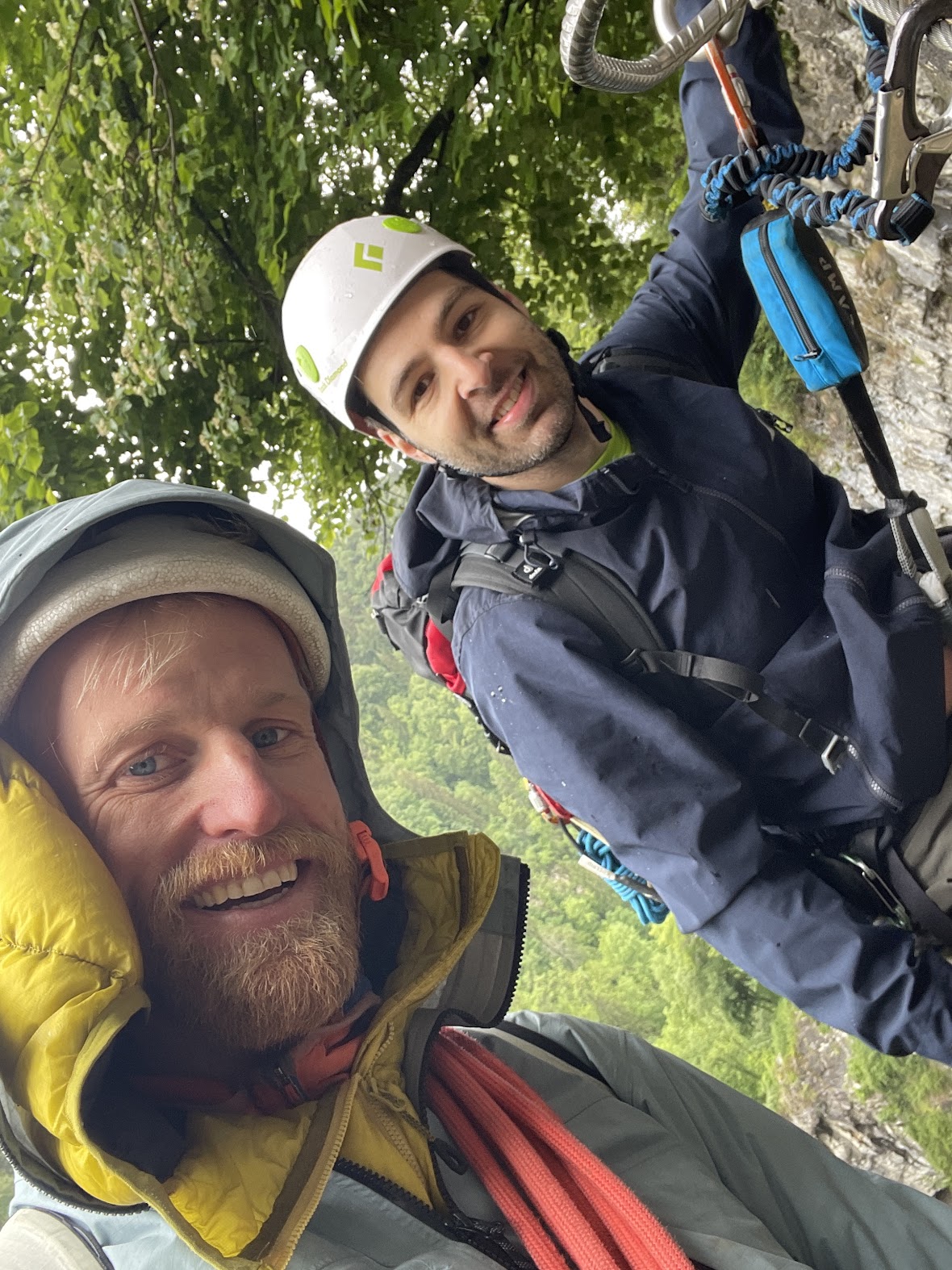
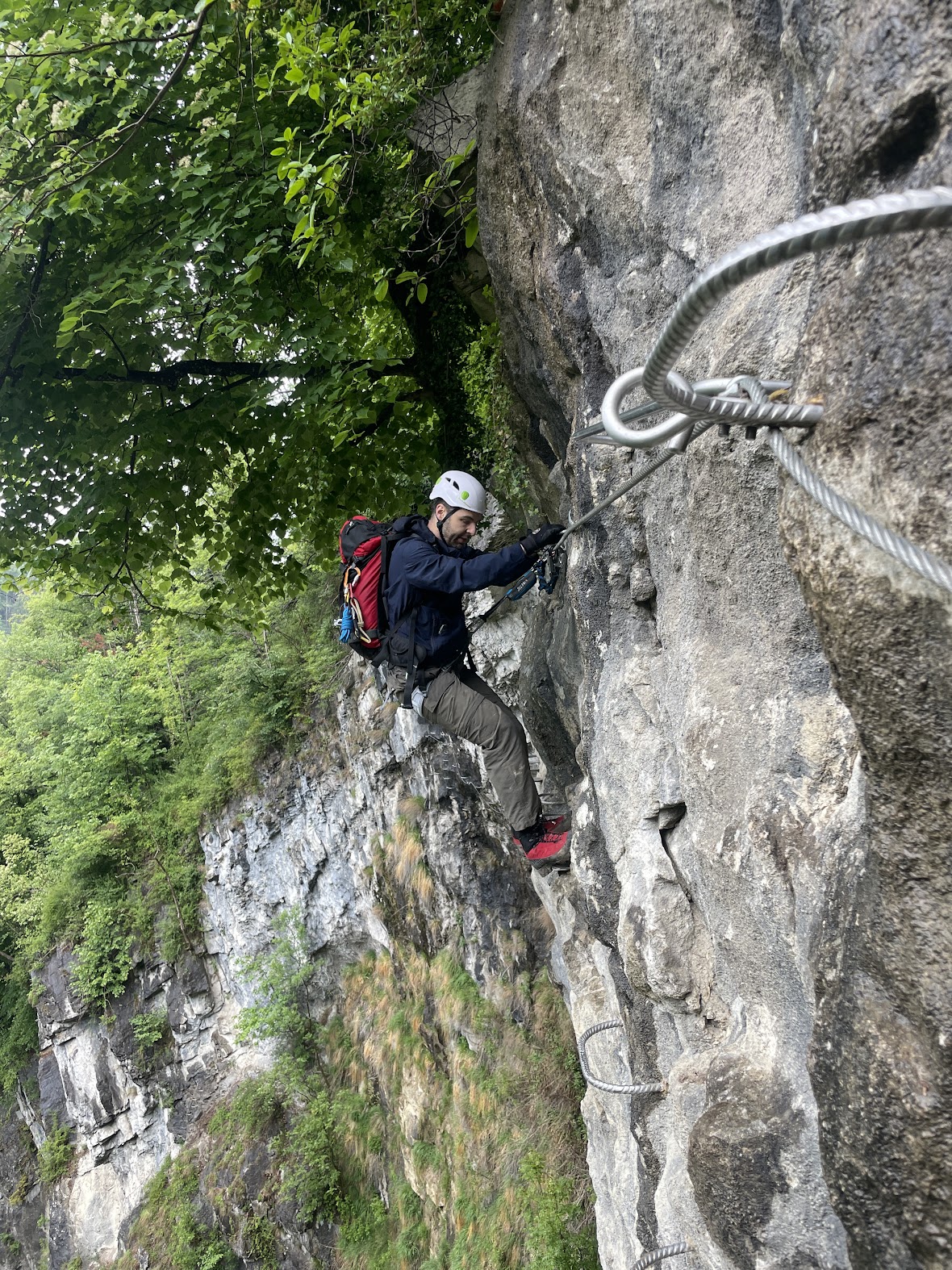
When I was in the area last winter, I first noticed this via ferrata while hiking. At first glance, it looked fairly horizontal, traversing along the side of the gorge, and not nearly as imposing as some of the more vertical routes I had done before.
What is harder to see from below is that, even though the route moves mostly sideways, many sections are slightly overhanging. That means you need a surprisingly strong grip and good upper-body endurance to stay close to the wall and move efficiently.
After finishing the via ferrata, we used the remaining time for a short rope-skills session with our guide, practicing techniques that might come in handy during the next couple of days in the mountains.
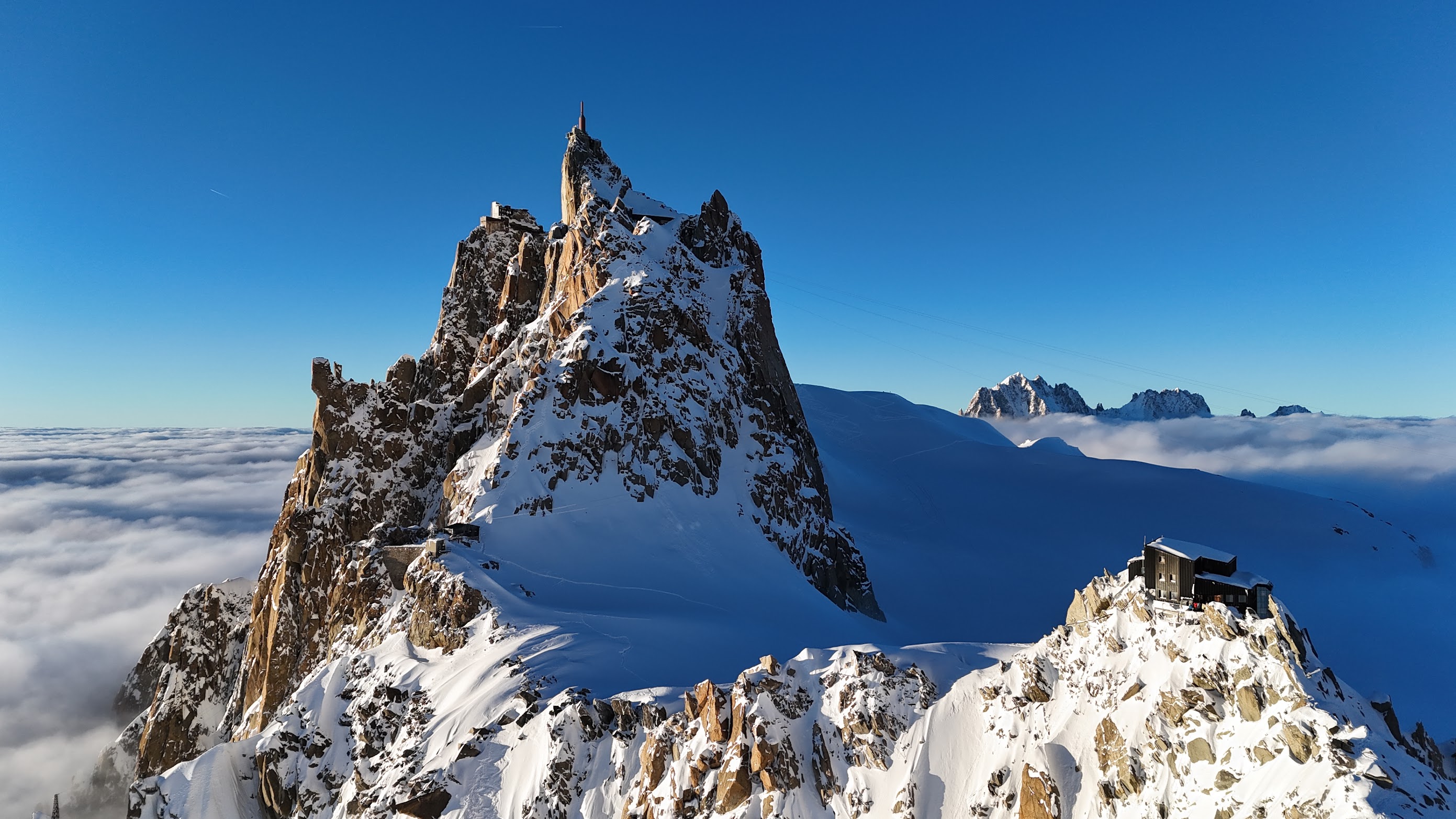
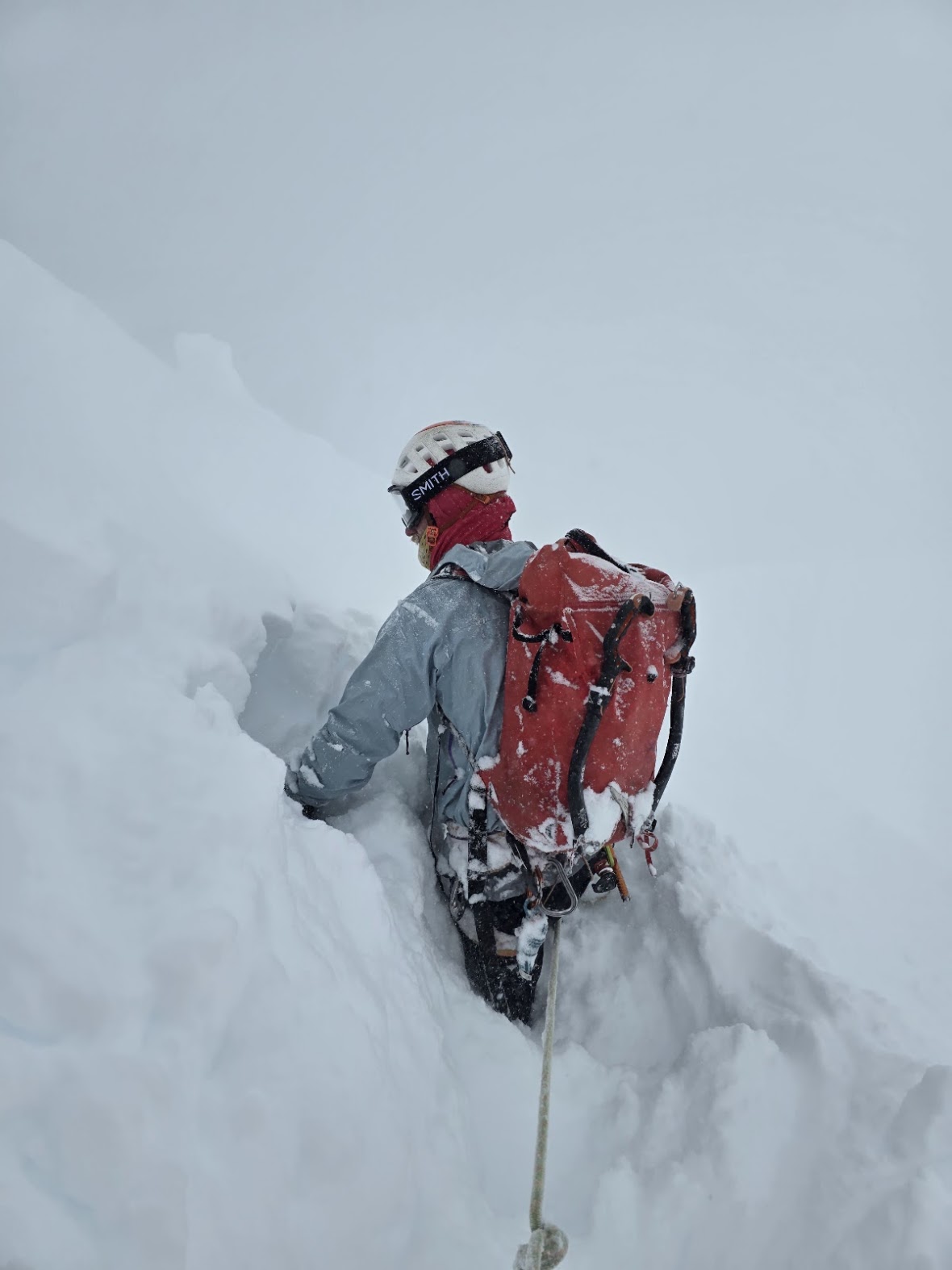
Another storm hit during the night, delaying the opening of the Aiguille du Midi cable car until 9:30 in the morning. We took the first cable car up, but by the time we reached the top, conditions were rough: strong wind, falling snow, complete whiteout, and a lot of fresh snow underfoot.
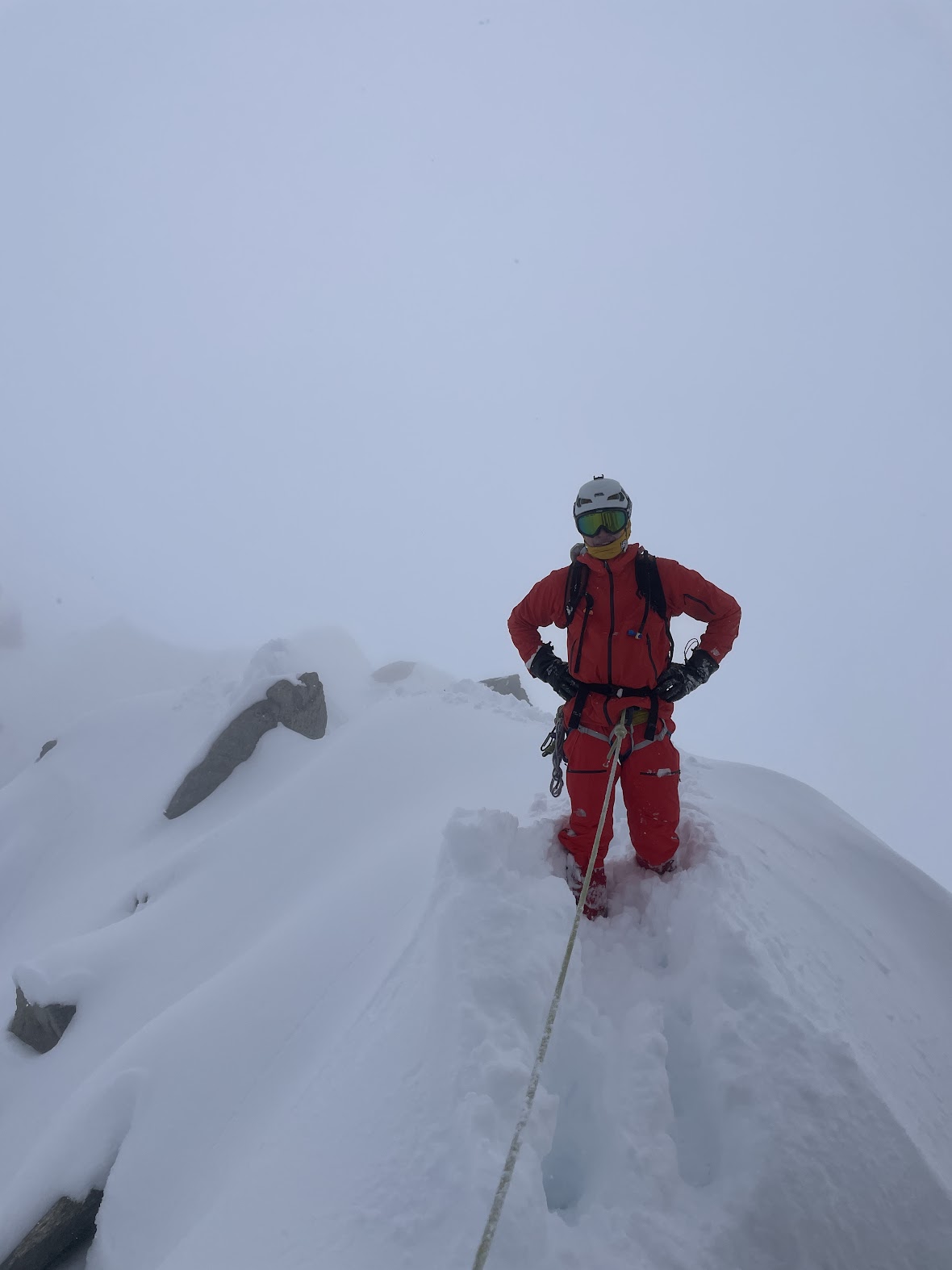
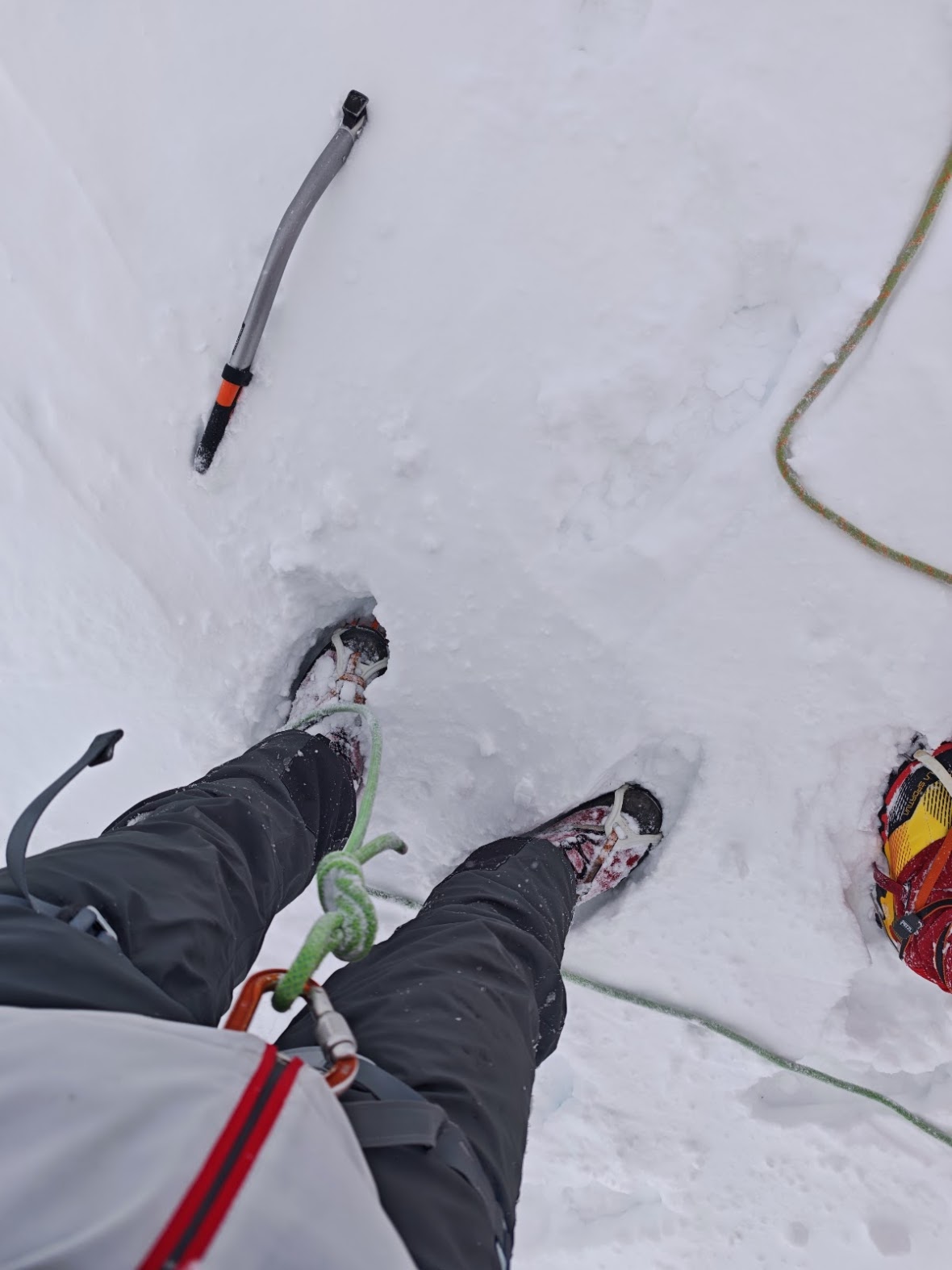
We were planning to overnight at Refuge des Cosmiques, which sits at 3,613 meters and is less than two kilometers from the cable car station. On paper, that sounds like a short approach. In reality, navigating through deep snow in whiteout conditions turned it into a slow and demanding effort, taking us almost two hours to reach the hut.
After lunch, as the weather improved slightly, some of us headed out to climb a loop on the local ridge. It turned into a surprisingly fun experience: breaking trail through fresh snow, with no previous footprints to follow, and navigating in visibility so poor that we could not see the hut until we were within about 20 meters of it.
Finally, close to sunset, the higher clouds began to move away, revealing a spectacular view: lower clouds filling the valley below, with mountain peaks rising above them.
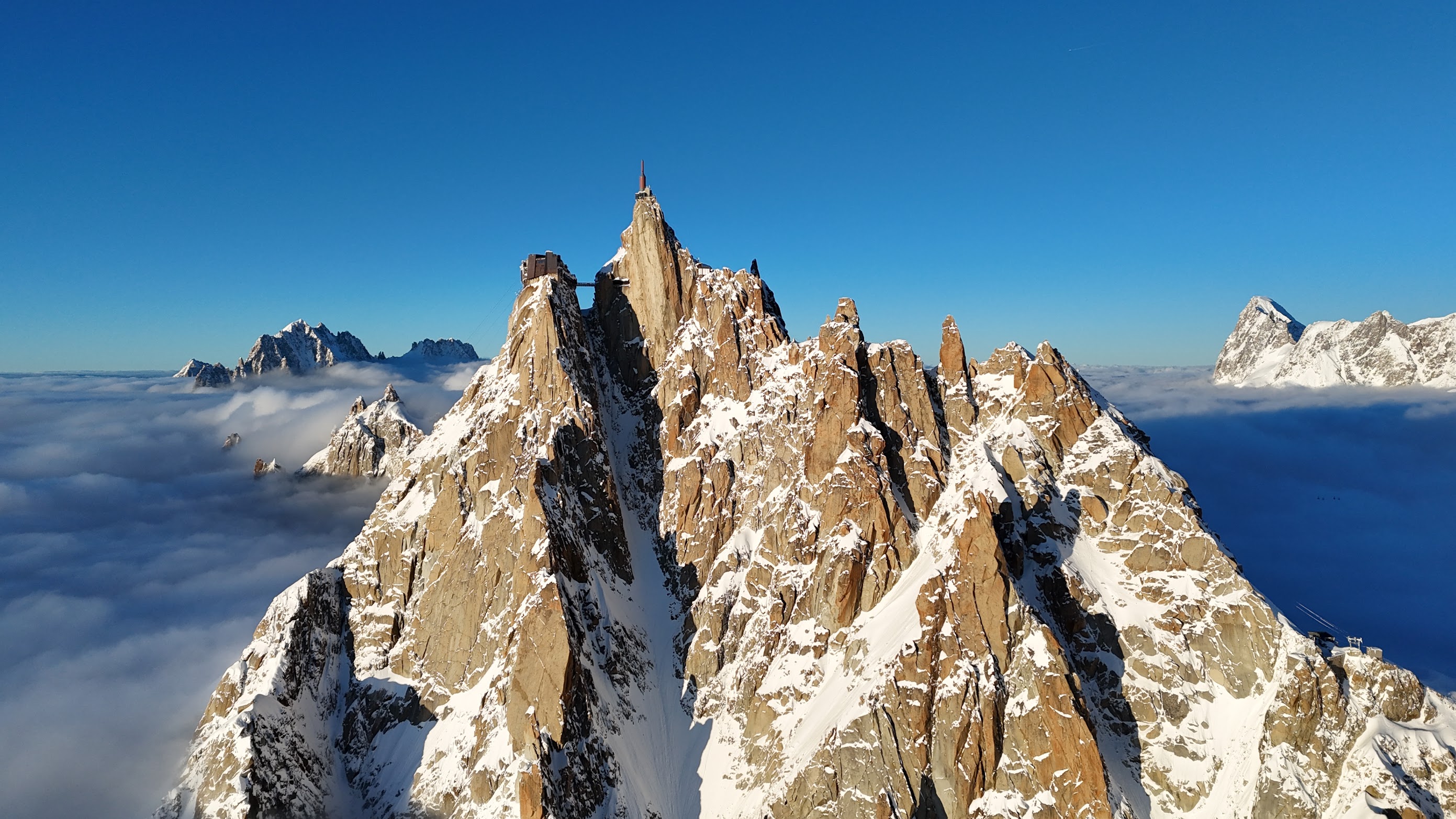
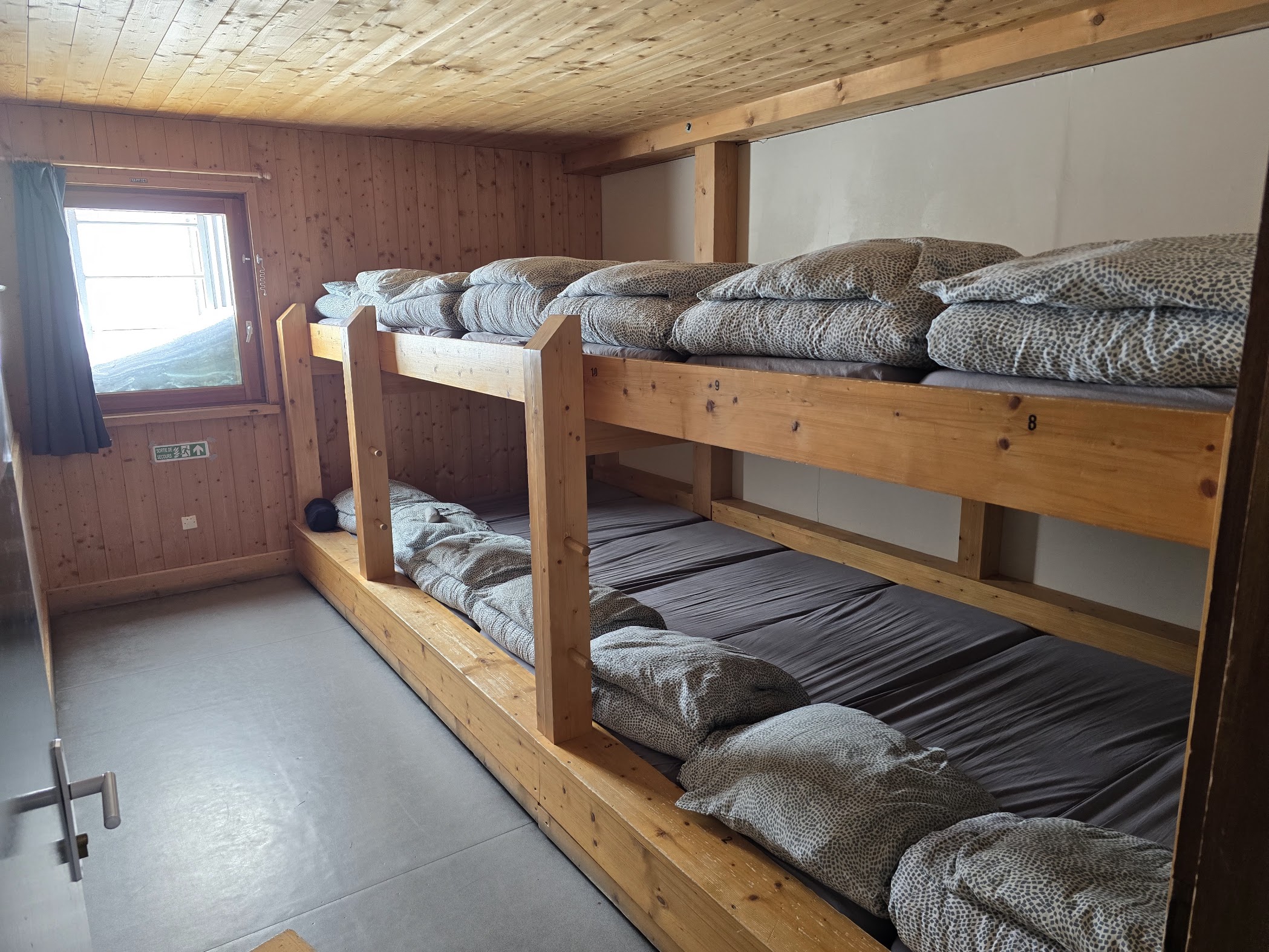
Sleeping at 3,600 meters—where oxygen availability is only about 65% of sea level—after spending just a couple of nights around 1,000 meters was not exactly pleasant. We barely slept and had little appetite for breakfast.
But the beautiful sunrise changed the mood quickly. The clouds had cleared completely, and we were energized for the day's objective: the Arête des Cosmiques. Because we had stayed overnight at the refuge, we could start well before the first cable car arrived from the valley, which meant we had the ridge almost entirely to ourselves.
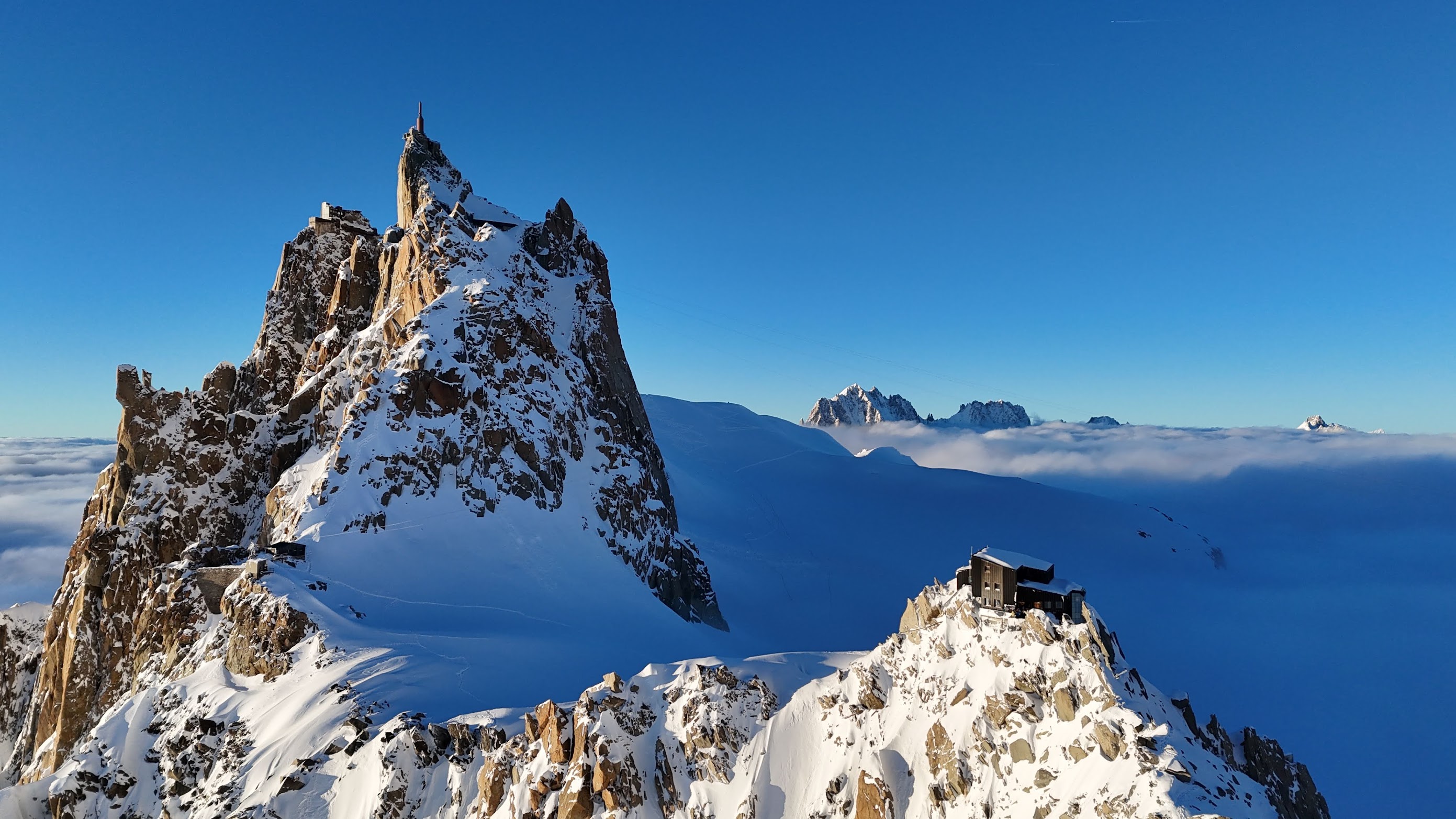
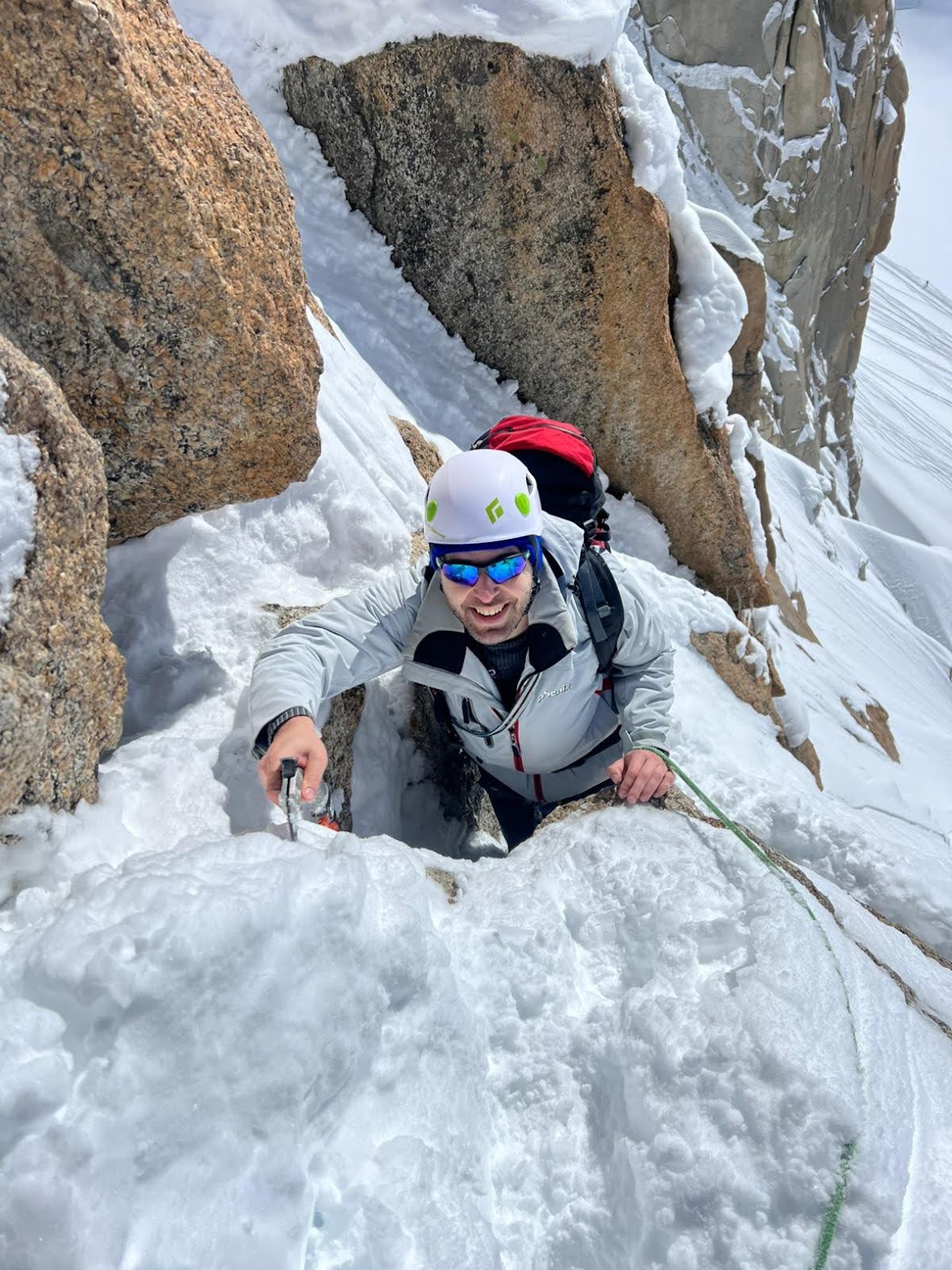
The Arête des Cosmiques is not especially long or technically difficult, though the fresh snow made it more demanding than usual. Its real magic is the setting: sweeping views of the surrounding peaks, including Mont Blanc, and a dramatic finish that leads directly back to the Aiguille du Midi cable car station.
I had visited the Aiguille du Midi with my family several times before. Each time, I would watch climbers top out near the station and think, "That would be an incredible thing to do someday." This time, we were the climbers stepping onto that same finish.
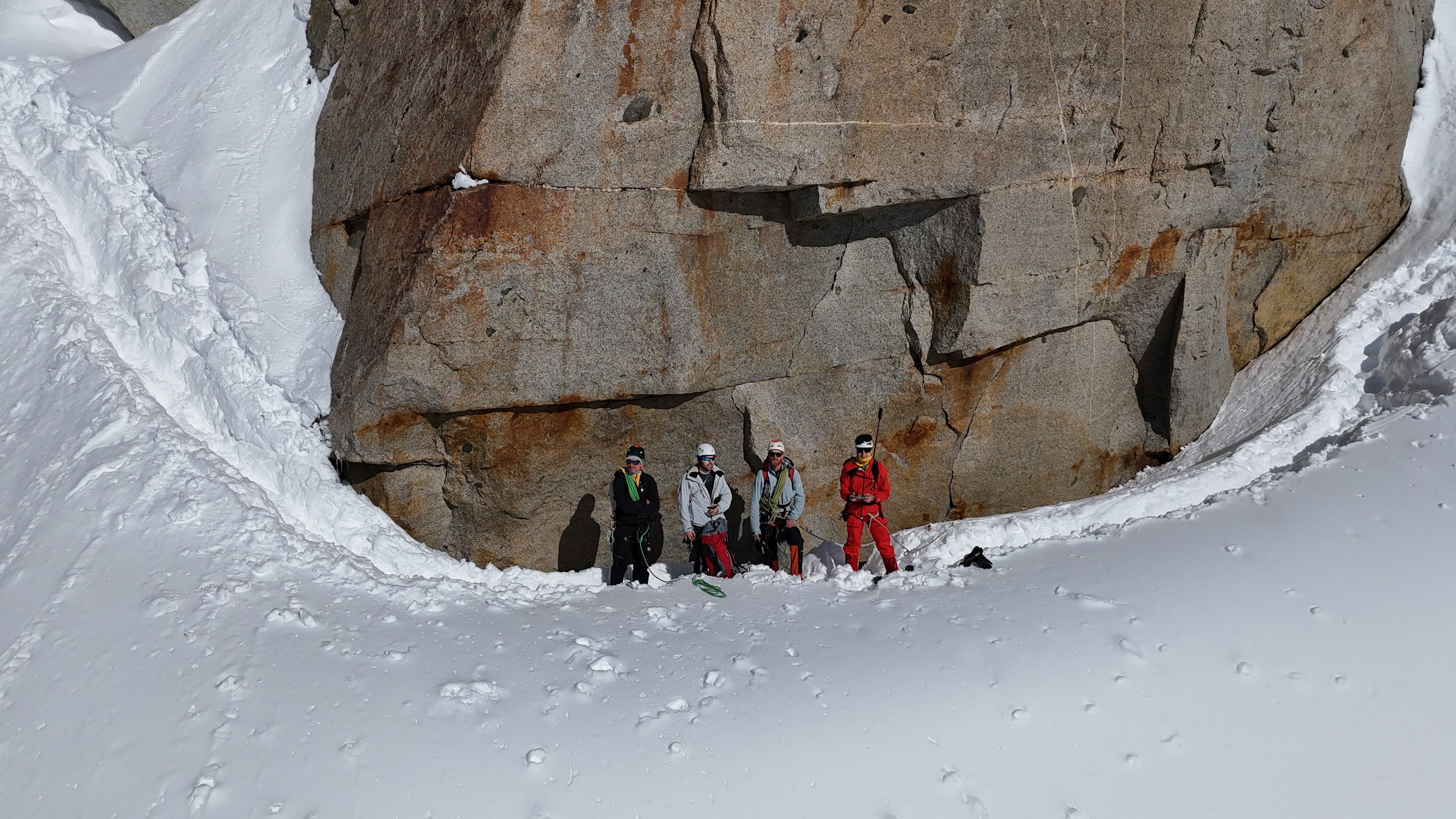
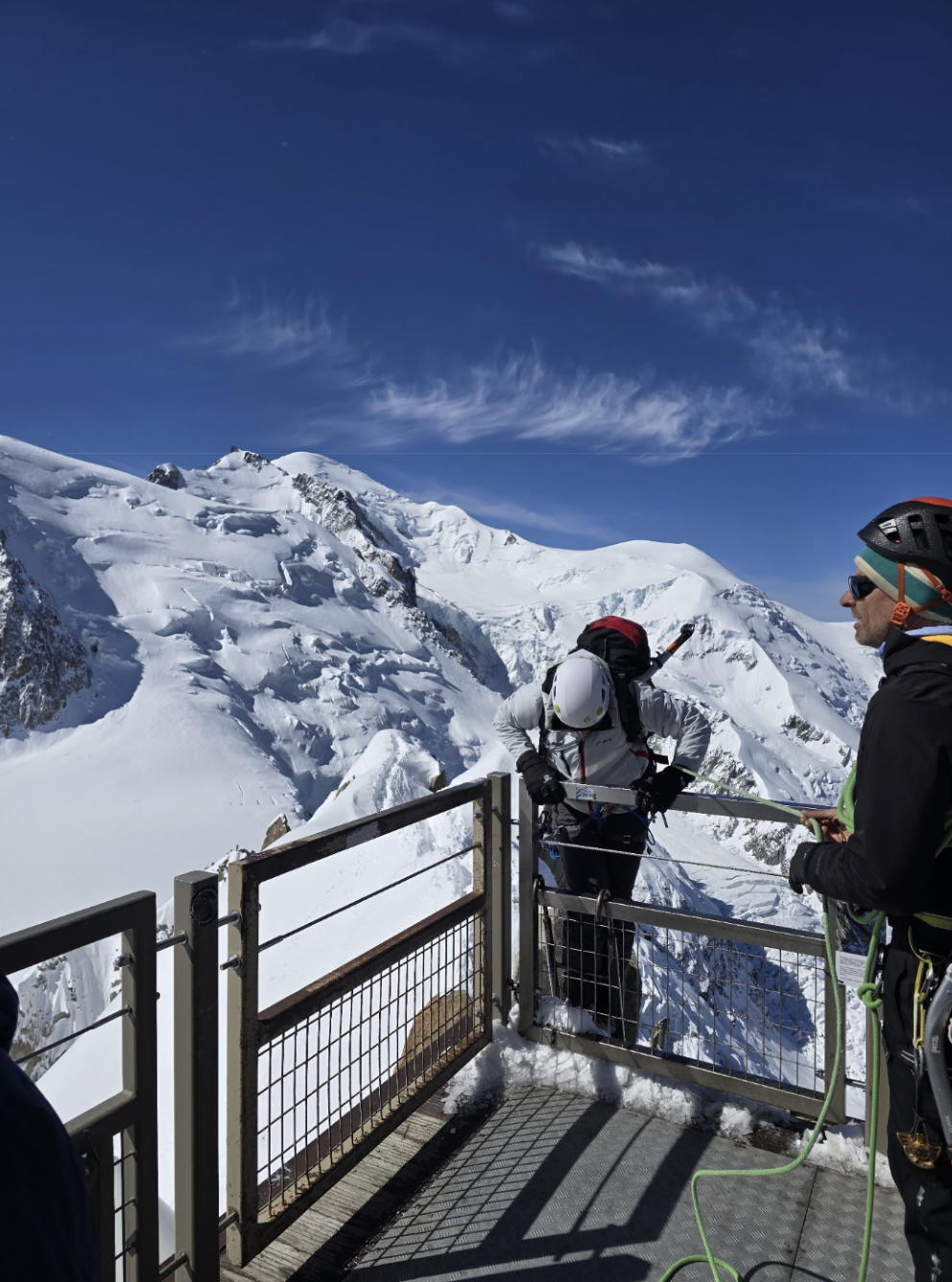
The ascent took us about three hours, and by midday we were back down in Chamonix - with plenty of time to make our way to Paris.
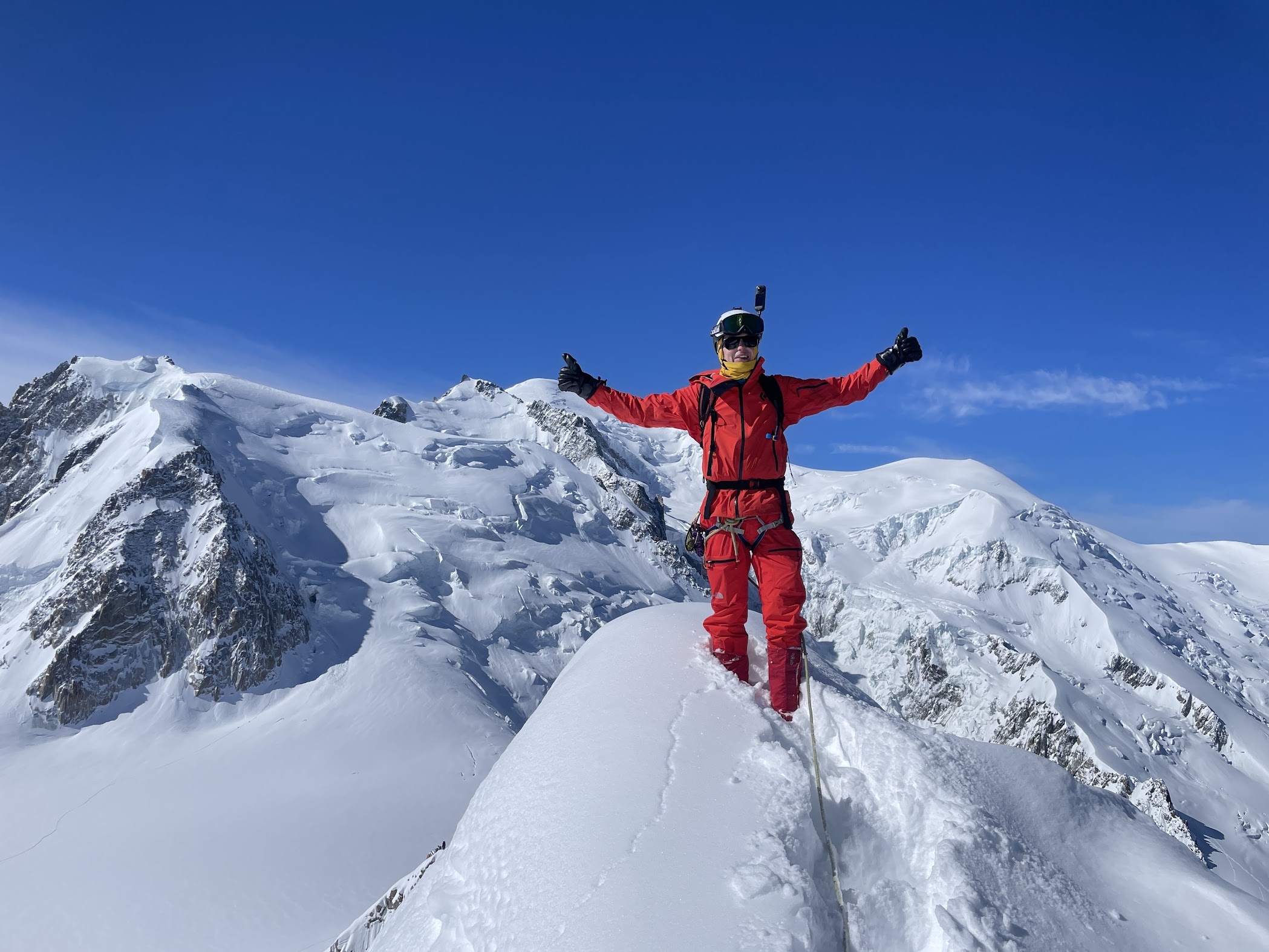
The Chamonix area is outstanding in terms of accessibility, and one of its biggest strengths is the variety of adventure options available in almost any weather. Depending on conditions, you can pack a memorable experience into a single day—ski touring, rock climbing, ice or mixed climbing, or via ferrata. With two days, you can take it to another level by spending the night in a high alpine refuge, which completely changes the feel of the trip.
We worked with Gerrit Egnew to organize this adventure, and I would highly recommend him. He helped us build the initial plan, adjust it quickly as weather conditions changed, and provided excellent guiding throughout the trip. The experience had exactly the mix I like: safety, fun, flexibility, and just the right amount of challenge.
We will definitely be back with Geeks Go Peaks adventures in this area!
We send something when there's something to send. Upcoming climbs, open spots, and the odd story worth your time.
Patrick Galbraith on the Tour de Abyss, a class 3-4 scramble linking Mount Bierstadt and Mount Blue Sky through Colorado's Abyss Basin.
Twelve geeks extended Percona Live with an e-bike day through Waterland, a guided Badhus sauna, and a paddle down the Amstel.
Seven geeks, one week in Alta Badia: the Crëp de Sela hike, via ferratas Les Cordes and Tridentina, and a night in the highest rifugio in Italy.